By The Weekly Vision Business Desk
A widening fuel scandal now threatens to engulf Kenya’s energy sector, with fresh revelations pointing to a sophisticated web of cartels, falsified data and high-level complicity that may have cost the country up to Sh12 billion.
At the centre of the storm are claims that oil marketers and insiders manipulated fuel stock data to create artificial shortages, triggering emergency imports at inflated prices while ordinary Kenyans endured dry pumps and soaring costs.
The unfolding saga has already claimed several high-profile casualties. Senior officials, including top executives at the Kenya Pipeline Company and the Energy and Petroleum Regulatory Authority, have exited amid mounting pressure, as investigators tighten the net around what is shaping up to be one of the most complex economic scandals in recent years.
In a dramatic intervention, Energy Cabinet Secretary Opiyo Wandayi ordered the withdrawal of 60,000 tonnes of contaminated super petrol linked to a private importer, raising fears over fuel quality and consumer safety.
Meanwhile, President William Ruto has vowed a sweeping crackdown on what he described as entrenched oil cartels, signalling arrests and promising that “no one will be spared”, a warning that has sent shockwaves through political and business circles.
Even as the government moves to contain the fallout, critical questions remain. How were fuel stock levels allegedly falsified without detection? Who authorised the emergency imports, and who profited? And how did substandard fuel find its way into the market?
Reports indicate that manipulated data may have painted a false picture of scarcity, justifying costly import deals while select players reaped windfall profits. In counties such as Kirinyaga, motorists reported prolonged shortages and sudden station closures, deepening public suspicion.
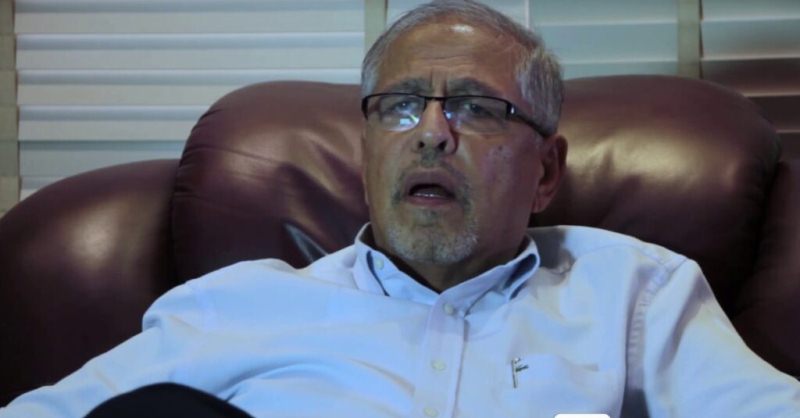
Reports have linked a private fuel importer, One Petroleum, to a consignment of contaminated super petrol under investigation. The firm is associated with a Mombasa-based businessman, Mohammed Jaffar. Sources indicate that he and several family members have recorded statements with the Directorate of Criminal Investigations.
The scandal has also taken a political turn, with unverified claims circulating in political circles mentioning former Deputy President Rigathi Gachagua. However, no official evidence has been presented linking him to the alleged scheme.
For many Kenyans, the outrage is not just about numbers, but betrayal. At a time of rising living costs, citizens are grappling with the possibility that the very shortages driving up fuel prices may have been engineered for profit.
Analysts warn that beyond immediate losses, the scandal could have lasting economic consequences, undermining investor confidence, distorting market stability and exposing deep regulatory weaknesses within the sector.
As investigations gather pace, one thing is clear: this is no ordinary corruption case. It is a high-stakes battle involving money, power and control of a critical national resource, one that could redefine accountability in Kenya’s energy sector. As more details emerge, the country is left asking a familiar but urgent question: who truly runs Kenya’s fuel economy?