By The Weekly Vision Reporter
The Council of Governors (CoG) has launched a scathing attack on the Senate’s County Public Accounts Committee (CPAC), accusing four of its members of turning oversight hearings into platforms for extortion, intimidation and political witch-hunts.
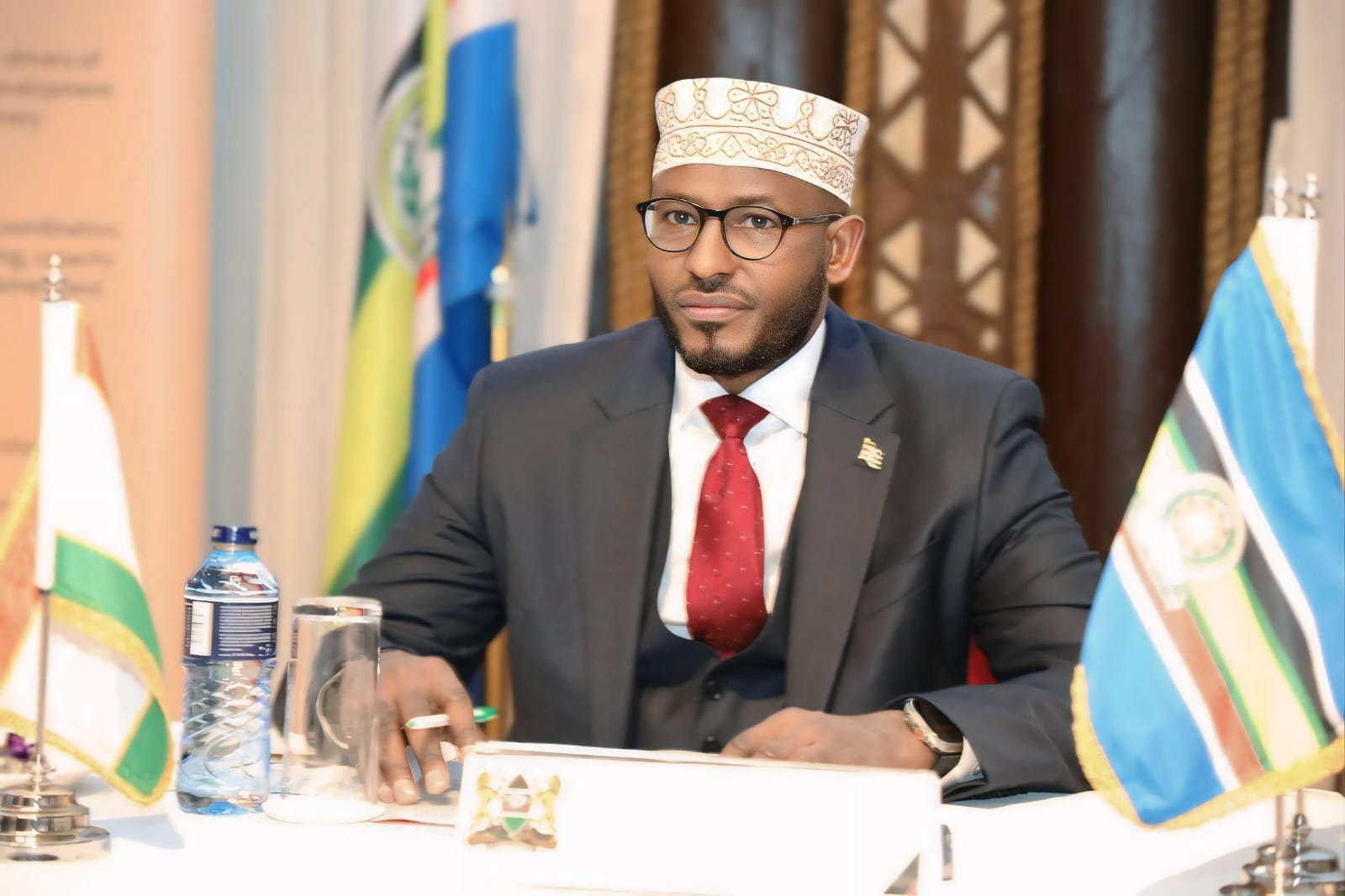
Speaking during the governors’ annual retreat in Kilifi, CoG chairperson and Wajir Governor Ahmed Abdullahi said the governors would boycott future appearances before the committee unless the four senators are replaced and a formal engagement is held between the Senate and the CoG. “We have a very big problem with these four senators. They are involved in extortion, witch-hunts, harassment, intimidation and humiliation of governors,” Abdullahi said.
He claimed that the committee, which is mandated to scrutinise the use of billions of shillings disbursed to counties, had degenerated into what he described as an “intimidation avenue”, allegedly controlled by a few members who dominate proceedings for personal and political gain.
Although the CoG stopped short of naming the senators in its official statement, sources familiar with the matter identified them as Homa Bay Senator Moses Kajwang’, the CPAC chairperson; Taita Taveta Senator Johnes Mwaruma, the vice chairperson; Nairobi Senator Edwin Sifuna; and Nandi Senator Samson Cherargei.
Tharaka Nithi Governor Muthomi Njuki, who serves as the CoG chief whip, told the retreat that the dispute was limited to the four legislators. “We are very clear that the Council of Governors has no problem with the Senate as an institution. Our problem is with four senators, and they know themselves,” Njuki said.
The confrontation reflects growing frustration among governors over what they describe as repetitive and burdensome summonses by the committee. Abdullahi said governors are frequently required to appear several times before CPAC over similar issues, including the management of county investments and funds allocated to municipalities and health facilities.
The governors have now resolved that each county will only appear once per audit cycle, arguing that the current approach disrupts service delivery and undermines effective administration. Tensions escalated further last week when Governor Njuki allegedly failed to appear before the committee moments before a scheduled hearing. He had been summoned to respond to queries on the management of public funds for the 2024/25 financial year.
Committee members expressed outrage, with Kajwang’s warning that the committee would summon him afresh. “We shall summon him. Parliament cannot be treated with such disdain,” he said. Kajwang’ added that the full committee had already convened and was ready to proceed when it emerged that the governor had left the parliamentary precincts under unclear circumstances.
The latest standoff is not unprecedented. In 2020, governors petitioned the Ethics and Anti-Corruption Commission (EACC) and the Directorate of Criminal Investigations (DCI) to investigate what they termed the “extortionist nature” of the Senate’s County Public Accounts and Investments Committee.
CPAC plays a central role in tracking the expenditure of public funds transferred by the National Treasury to devolved units, placing it at the heart of Kenya’s accountability framework. Critics, however, argue that the committee’s influence also makes it vulnerable to abuse.
In response, committee senators have dismissed the allegations and accused the governors of attempting to evade scrutiny. “Governors cannot choose the bench. I have never seen a case where suspects demand to empanel the bench,” Kajwang’ said, in reference to the threat to boycott hearings.
Cherargei, one of the committee’s most vocal members, accused governors of prioritising comfort over accountability. “The guilty are always afraid,” he said.
Sifuna, who has participated in several recent hearings, including inquiries into county spending during festive periods, also challenged governors to submit to oversight, questioning how public officials could become difficult to trace when summoned by parliamentary committees. Mwaruma, the committee’s vice chairperson, who has presided over sessions in Kajwang’s absence, has not publicly commented on the latest accusations.
The impasse has reignited debate over the fine line between legitimate oversight and institutional overreach within Kenya’s devolved system of governance. While proponents of the Senate’s role insist that rigorous audits are essential to curb corruption in counties, the united stance adopted by governors points to deepening mistrust that could stall accountability processes.
Abdullahi maintained that governors would only resume appearances before CPAC after a formal engagement between the two institutions had taken place.
Whether the dispute leads to reforms within the committee, leadership changes, or further confrontation, the row has laid bare growing fault lines in the management and oversight of county finances, fault lines that now threaten to disrupt one of the country’s most critical accountability mechanisms.