By The Weekly Vision Health Desk
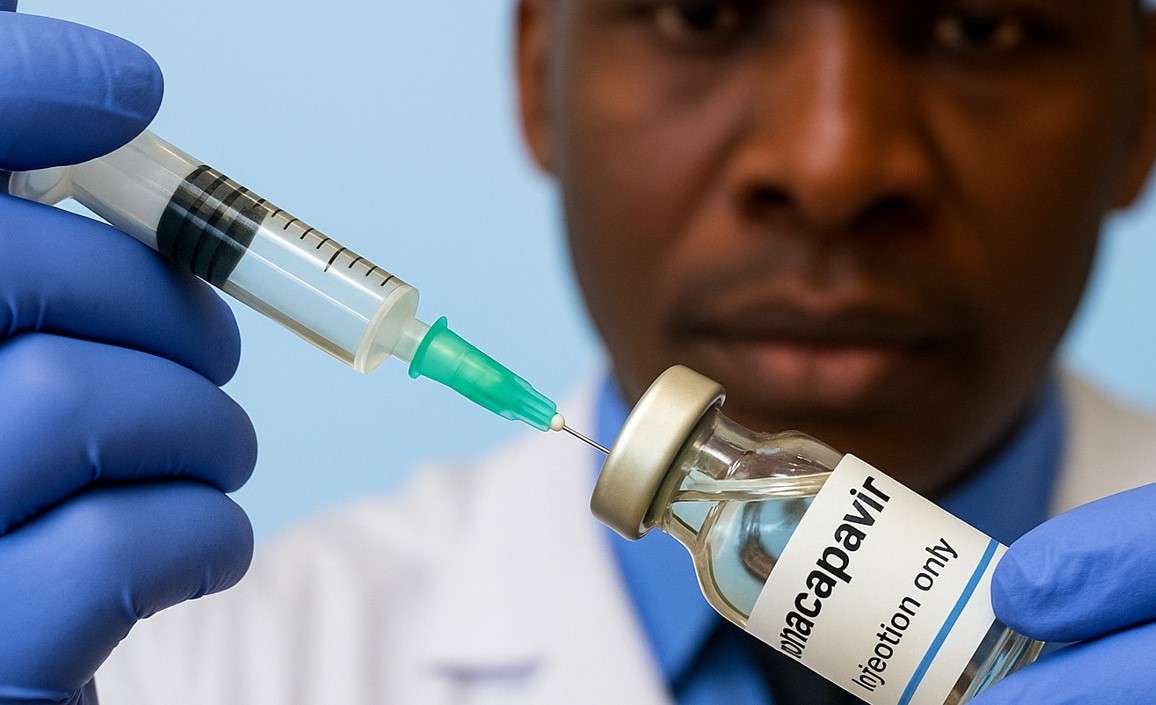
Nigeria has announced the rollout of a new long-acting HIV prevention injection, marking a significant step in expanding access to innovative HIV/AIDS prevention methods. The initiative, set to begin across eight states, Anambra, Ebonyi, Gombe, Kwara, Akwa Ibom, Cross River, Benue and the Federal Capital Territory (FCT), is aimed at reaching populations at higher risk of infection.
The injectable pre-exposure prophylaxis (PrEP) provides an alternative to daily oral medication, which has historically faced adherence challenges due to pill fatigue and stigma. Health experts say long-acting options could significantly improve prevention outcomes by offering more discreet and convenient protection.
However, Nigerian authorities have restricted the use of the injection among pregnant women, citing the need for additional clinical data to confirm safety in this group. The phased rollout reflects a cautious approach aligned with global health standards.
The move comes as African countries increasingly adopt long-acting HIV prevention technologies in line with guidance from the World Health Organisation and UNAIDS, both of which advocate diversified prevention strategies to accelerate the fight against HIV.
Unlike Nigeria, Kenya has already begun rolling out long-acting HIV prevention injections, positioning itself as a regional leader in HIV prevention innovation. In early 2026, Kenya’s Ministry of Health launched a nationwide rollout of injectable PrEP, including lenacapavir, a breakthrough drug administered just twice a year, and cabotegravir, another long-acting injectable option.
The rollout in Kenya initially targets high HIV-burden counties such as Nairobi, Kisumu, Mombasa, Homa Bay and Kilifi, with plans for expansion across all 47 counties.
The injections are being offered free of charge in public health facilities as part of Kenya’s broader HIV prevention strategy. Health officials indicate that the introduction of injectable PrEP complements existing options, including daily oral PrEP and other preventive measures, giving individuals greater choice based on their needs and lifestyles.
Experts note that the twice-yearly injection addresses one of the biggest barriers to HIV prevention, consistent adherence to daily medication, while also reducing stigma, as users do not have to be seen taking pills regularly.
Kenya had earlier signalled its intention to adopt the technology, having been selected among countries to introduce long-acting injectable PrEP by 2026. The successful rollout now underscores the country’s readiness and commitment to embracing biomedical innovation in public health.
Despite the optimism surrounding injectable PrEP, both Nigeria and Kenya face similar challenges, including ensuring healthcare worker training, maintaining supply chains and monitoring side effects.
In Kenya, strict eligibility criteria remain in place, including mandatory HIV testing before initiation, to prevent misuse and reduce the risk of drug resistance. Meanwhile, surveillance systems are being strengthened to track outcomes and ensure patient safety.
As more African countries adopt long-acting HIV prevention methods, the continent is witnessing a shift towards more flexible, patient-centred care models. If effectively implemented, injectable PrEP could significantly reduce new infections and accelerate progress towards ending HIV/AIDS as a public health threat.
For Kenya, early adoption of injectable prevention technologies not only reinforces its leadership in the region but also presents a critical opportunity to further reduce infection rates, particularly among young people and high-risk populations.