By The Weekly Vision Reporter
Kenya has formally exited the COMESA Sugar Safeguard regime after 24 years, marking a major shift towards a liberalised regional sugar market. The safeguard, which lapsed on 30 November 2025, was designed to protect the domestic sugar industry while structural reforms were undertaken.
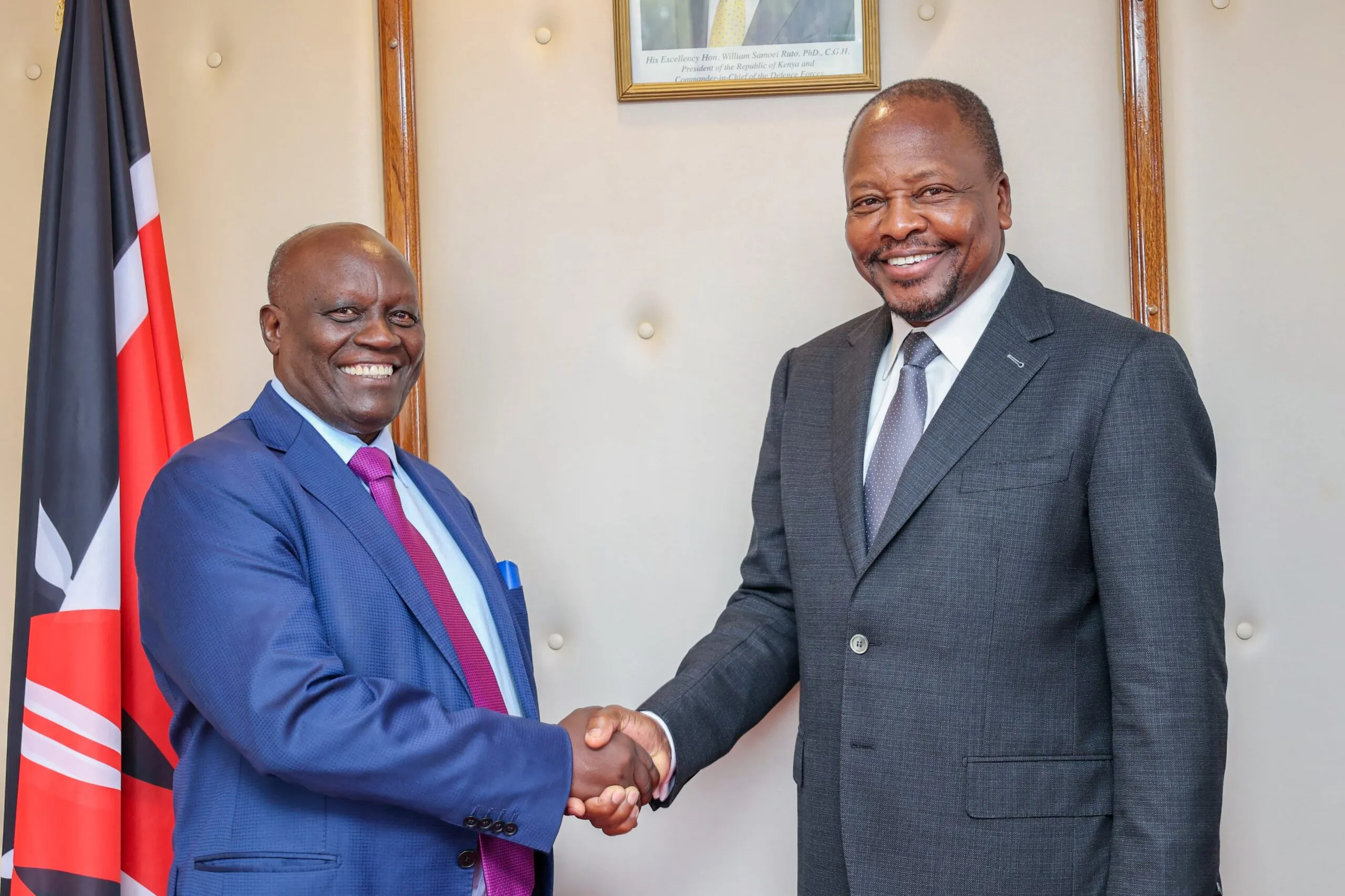
Kenya Sugar Board CEO Jude Chesire said the move signals confidence rather than vulnerability, noting that reforms have stabilised the sector and improved productivity. He highlighted diversification efforts, including ethanol production from molasses and electricity generation from bagasse, as key to strengthening mill revenues and improving farmer payments.
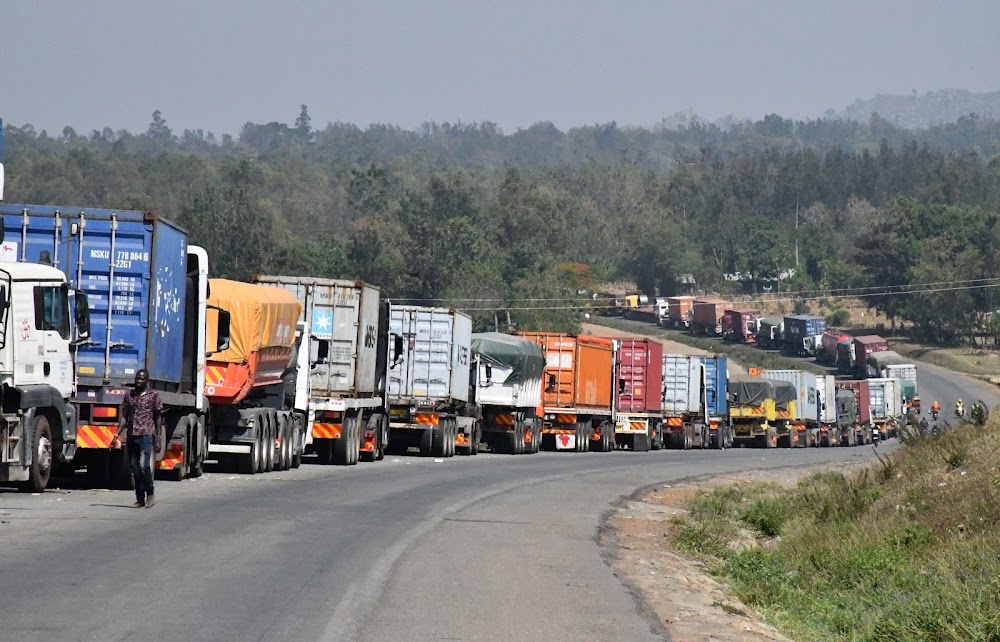
Sugarcane acreage has expanded by 19.4 per cent over the past three years, while production has surged by 76 per cent to 815,454 metric tonnes. However, Kenya still consumes about 1.1 million metric tonnes annually, meaning imports will remain necessary to bridge shortfalls.
Farmers’ groups have expressed concern that liberalised imports could undermine local producers. Kenya National Sugarcane Farmers Federation chair Ezra Okoth warned that uncontrolled cheap imports could depress prices and hurt farmer livelihoods.
Economists say the transition reflects a calculated shift from protectionism to competitiveness, but caution that balancing consumer affordability with farmer sustainability will be critical. As Kenya positions itself for regional competition, the coming years will test whether liberalisation can coexist with stable incomes for farmers and long-term sector growth.