By The Weekly Vision Editorial Team
As Kenya steadily inches towards the 2027 General Election, pressure is mounting on the Independent Electoral and Boundaries Commission (IEBC) to confront a long-standing democratic inconsistency: how a diaspora community that injects over Ksh1 trillion into the economy annually remains largely excluded from meaningful political representation.
Often referred to as Kenya’s “48th County”, the diaspora has become a critical economic pillar, with remittances consistently outpacing key revenue streams such as tourism and foreign direct investment. Yet, despite this contribution, Kenyans living abroad continue to exist at the margins of the country’s electoral architecture.
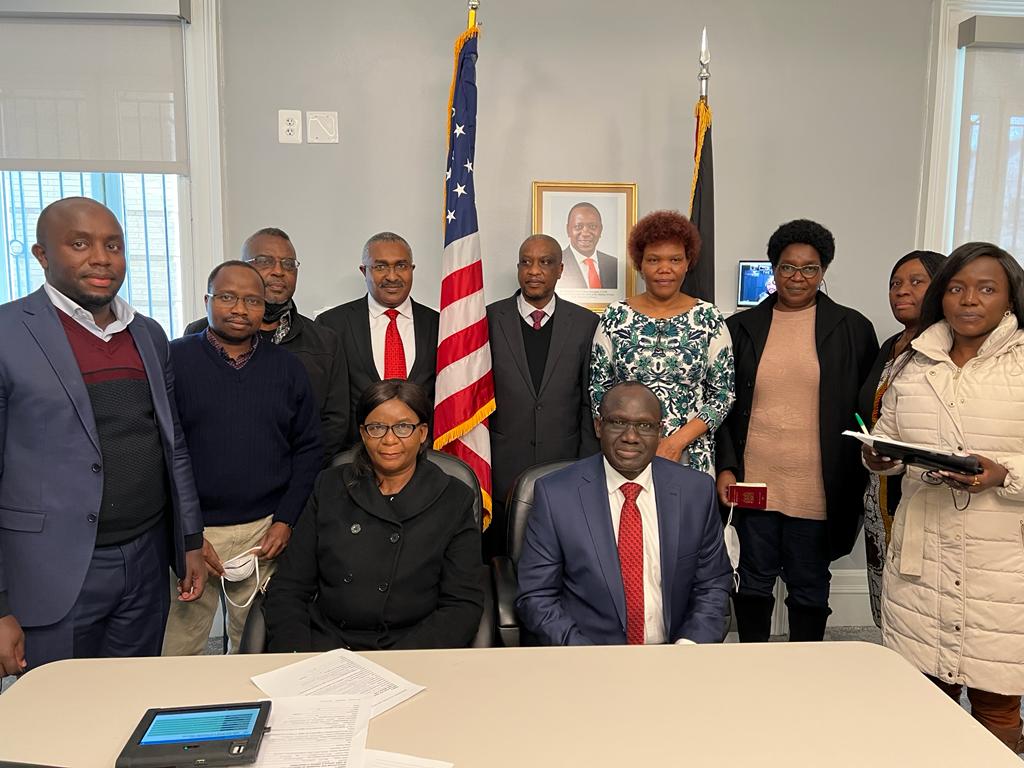
The 2022 General Election laid bare the scale of this exclusion. Only 10,444 diaspora voters were registered globally, with polling stations available in just 12 countries. Even more striking was the limitation imposed on these voters: they were only permitted to vote for the presidential race, effectively locking them out of decisions on legislative leadership.
This restriction has far-reaching implications. Laws governing taxation, citizenship, foreign affairs and investment, issues that directly affect diaspora lives, are debated and passed in Parliament, where the diaspora has no representation whatsoever. The result is a fundamental democratic contradiction: citizens who fuel national development have no voice in shaping the policies that govern them.
While the introduction of overseas voting in 2022 was widely celebrated as progress, many observers viewed it as more symbolic than substantive. The narrow geographical reach, coupled with limited voting rights, reinforced the perception that diaspora enfranchisement remains an afterthought rather than a constitutional obligation.
The Diaspora Bicameral Parliamentary Framework (DBPF) Caucus has been particularly vocal in challenging this status quo. The caucus insists that low registration figures should not be mistaken for voter apathy. Instead, they argue, the numbers reflect systemic disenfranchisement driven by administrative and logistical barriers.
Through its chairman, Ephraim Mwaura, the caucus has pointed to Articles 38 and 83(3) of the Constitution, which guarantee political rights and require that voting be facilitated without unreasonable restrictions. From this constitutional foundation, the caucus has advanced a bold yet carefully structured proposal.
At the heart of their demands is the creation of 15 diaspora constituencies within the existing 290 National Assembly seats, alongside one dedicated diaspora seat in the Senate. Crucially, this proposal does not seek to expand Parliament or burden taxpayers. Instead, it calls for a reallocation of existing constituencies based on updated population data that includes Kenyans living abroad, thereby ensuring equality of the vote.
Political support for this idea is beginning to gain traction. Kiambu Senator Karungo wa Thangwa has publicly backed diaspora representation, drawing parallels with existing special-interest seats. Kenya already recognises women, youth and persons with disabilities through designated representation. Extending similar recognition to the diaspora, he argues, is both logical and fair.
The economic argument is equally compelling. In 2024 alone, diaspora remittances exceeded Ksh600 billion, roughly Ksh200 billion more than the annual allocation to all county governments combined. Few constituencies within Kenya can claim such a tangible contribution to national welfare, yet none are as politically invisible.
Beyond representation, the diaspora caucus is also pushing for electoral modernisation, including secure digital and online voting systems. Such reforms would address longstanding geographical barriers and align Kenya with global best practice in diaspora participation.
Importantly, the legal pathway already exists. Article 89 of the Constitution mandates the IEBC to review constituency boundaries every eight to twelve years. The last review was conducted in 2012, meaning the 2020–2024 window has lapsed, rendering the exercise constitutionally overdue. The same Article empowers the commission to merge or alter constituencies to ensure equality of the vote.
Advocates further rely on Article 89(7)(d), which allows the IEBC to consider “community interests”, providing a constitutional basis for recognising diaspora communities as legitimate voting blocs. Article 38 reinforces this position by affirming that political rights are not forfeited through migration.
A recent Supreme Court advisory opinion has strengthened this interpretation, affirming that the IEBC retains the authority to adjust constituency boundaries based on updated population data, even after the official review timeline has passed.
As the 2027 election approaches, the question is no longer whether diaspora representation is justified, but whether Kenya is willing to complete its democratic project. The Constitution is clear, the economic evidence is overwhelming, and the legal tools are already in place. What remains is political will, and the courage to recognise that citizenship does not end at the border.