By The Weekly Vision Reporter
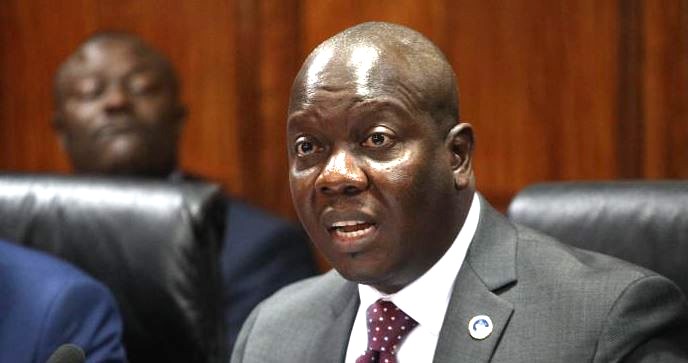
A fresh legal push to reopen investigations into Kenya’s disputed 2007 presidential election has been launched following explosive revelations contained in an investigative documentary aired by NTV Kenya. A formal letter dated 16 March 2026 by Nairobi-based law firm Apollo & Company Advocates has now placed the country’s chief prosecutor, Renson M. Ingonga, under pressure to initiate criminal investigations into individuals allegedly involved in manipulating the controversial vote.
The letter, addressed to the Office of the Director of Public Prosecutions (Kenya), cites the documentary titled Stolen Ballot: Inside the Bitter 2007 Presidential Election Heist. The programme revisits allegations that state machinery was deployed to influence the outcome of the election that plunged Kenya into one of its darkest political crises.
The documentary revisits testimonies from several individuals who claim to have witnessed or participated in events surrounding the disputed vote tallying process at the Kenyatta International Convention Centre.
Among those mentioned are former government spokesperson Alfred Mutua, now a Cabinet Secretary in the government of William Ruto; former Kenyatta International Convention Centre managing director Philip Kisia; media executive S. K. Macharia; former electoral officials Jack Tumwa and Muturi Kigano; and former Kenya Broadcasting Corporation editor-in-chief Waithaka Waihenya.
In the documentary, Kisia recounts an incident during the tense tallying process, claiming that political pressure was exerted at the national tallying centre. According to his account, a senior official allegedly contacted him regarding events unfolding at the KICC during the vote count.
“A minister called me to switch off the lights at KICC,” Kisia said, adding that he also received a call asking to be connected with electoral officials overseeing the tallying process. The documentary suggests that such actions may have formed part of a broader effort to influence the announcement of results.
In their letter to the DPP, the advocates argue that the allegations aired in the documentary point to serious criminal offences, including the subversion of the electorate’s will. The lawyers assert that the manipulation of electoral processes and the violence that followed constitute crimes that do not expire under the statute of limitations.
“Subversion of the will of the electorate and the resultant post-election violence are serious criminal offences,” the advocates wrote, urging the DPP to exercise constitutional powers to investigate and prosecute those responsible. They have demanded that individuals implicated in the documentary record statements with investigators, paving the way for possible criminal proceedings.
Significantly, the legal notice warns that if the DPP fails to act, the law firm may initiate private prosecution proceedings. The letter states that the firm will commence legal action within 21 days should the prosecution authorities decline or fail to investigate the claims raised in the documentary.
Private prosecutions are permitted under Kenyan law where the state declines to pursue a case, though such proceedings remain subject to oversight by the DPP. Kenya’s 2007 General Election remains one of the most traumatic episodes in the country’s political history. Disputed results triggered widespread violence that left more than 1,000 people dead and hundreds of thousands displaced.
The crisis ultimately led to a power-sharing agreement brokered by international mediators and the formation of a coalition government between Raila Odinga and Mwai Kibaki.
While several investigations and commissions examined the violence, many Kenyans have long argued that the alleged masterminds of electoral manipulation were never fully held accountable. The emergence of fresh testimonies and the lawyers’ demand for prosecution may reopen a debate many believed had been politically buried.
For victims of the post-election violence, the question remains whether the Kenyan justice system is finally prepared to confront what the lawyers describe as “a dark chapter in our nation’s history.” If the DPP chooses to act, Kenya could witness the first criminal investigations directly linked to the alleged manipulation of the 2007 presidential vote nearly two decades later.
For now, the clock is ticking on the 21-day ultimatum that could determine whether the revelations in the documentary lead to a historic legal reckoning.