By The Weekly Vision Reporter
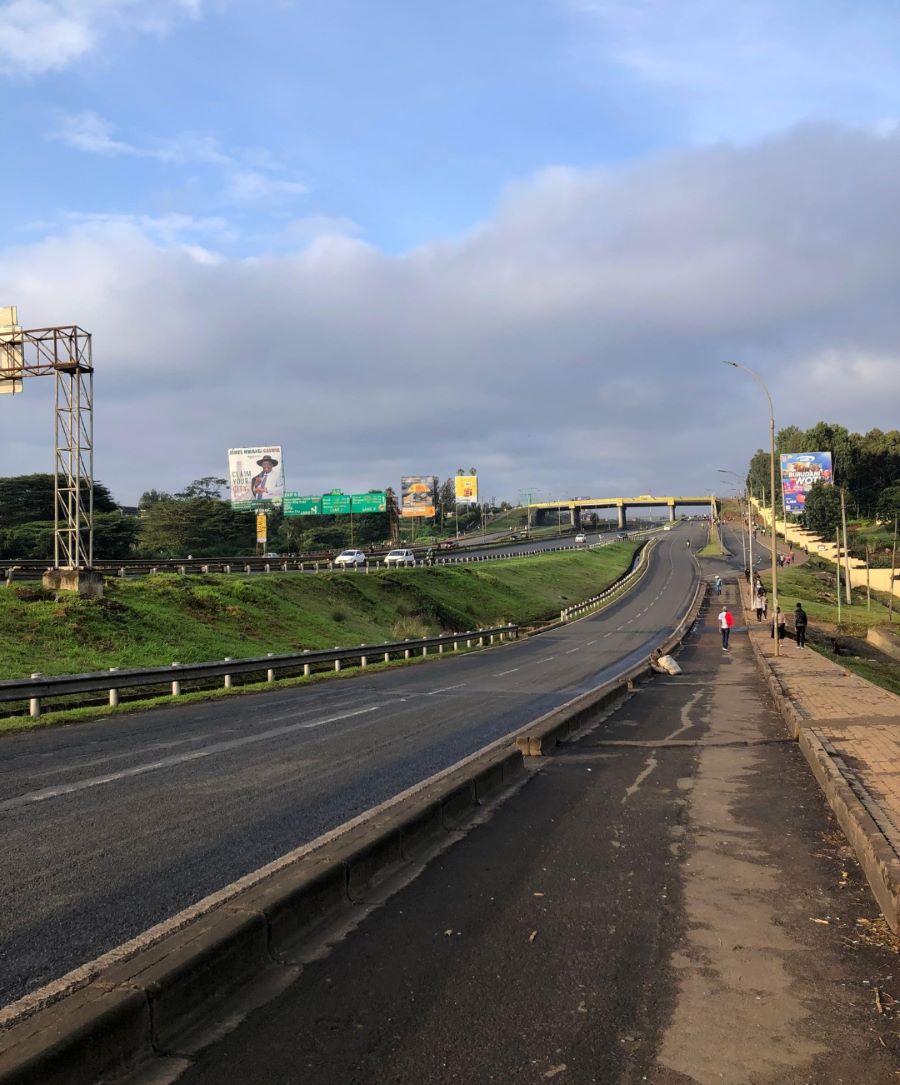
A matatu strike called by sections of Nairobi’s public transport operators over rising fuel prices and the increasing cost of doing business has paralysed transport across large parts of the capital, leaving thousands of commuters stranded and exposing deep tensions within Kenya’s informal transport sector.
The industrial action, supported by some matatu saccos and route operators, was organised as a protest against recent fuel price hikes and what operators describe as mounting economic pressure under the Kenya Kwanza administration. Transport operators argue that soaring fuel costs, higher maintenance expenses and multiple county levies have made it increasingly difficult to remain profitable.
However, the strike has also exposed a stark divide between protest action and economic reality, with some operators admitting they cannot afford to stay off the road for long because of loan repayments and daily operating costs.
Ride-hailing operators, including Uber, Little and Bolt, have largely withdrawn vehicles from Nairobi’s streets. Drivers report that app-based cars are being identified and targeted by groups enforcing the strike, who accuse them of undermining the protest action. “We were told to stay home or risk having the car stoned,” said one Bolt driver operating in Westlands. “Even if I wanted to work, no passenger will book when the vehicle might not make it through.”
The targeting of ride-hailing vehicles has created a vacuum in last-mile transport, leaving commuters with few alternatives beyond the limited number of matatus still operating. Where matatus have continued operating, fares have risen sharply, and routes have been shortened. In Rongai, passengers reported being charged up to Ksh 300 for journeys terminating at Nyayo Stadium, several kilometres short of Nairobi’s central business district. From there, commuters were forced to walk or seek alternative means of transport into the city centre.
Similar disruptions were reported along Thika Road, in Kitengela and across parts of Eastlands. Operators cited fears of vehicle damage and harassment by demonstrators as justification for the increased fares and shortened routes. “The moment we get close to town, the risk increases,” said a sacco official who requested anonymity. “We cannot replace windscreens every day.”
Transport analysts have questioned whether matatu owners can sustain a prolonged strike. Unlike salaried workers, many operators rely on vehicles purchased through bank and microfinance asset-financing arrangements, with some loans requiring daily repayments.
“More than 70 per cent of the matatus on Kenyan roads were acquired through asset financing,” said Dr James Otieno, a transport economist at the University of Nairobi. “If a vehicle is not operating and generating daily income, the owner risks defaulting on repayments and possible repossession.”
Several sacco officials have privately admitted that members are under pressure from lenders to keep vehicles operating, even if only on shorter and safer routes away from the city centre.
Boda boda riders have also taken advantage of the transport crisis, with fares in some areas reportedly doubling or tripling. “I used to pay Ksh 100 for this trip,” said Mercy Akinyi, a teacher dropped at Nyayo Stadium on her way to the CBD. “Today I have paid Ksh 300. It is simply not sustainable.”
The strike once again highlights the recurring tension within Kenya’s transport sector between collective protest action and the harsh financial realities facing operators burdened by debt and rising operational costs.