By The Weekly Vision Reporter
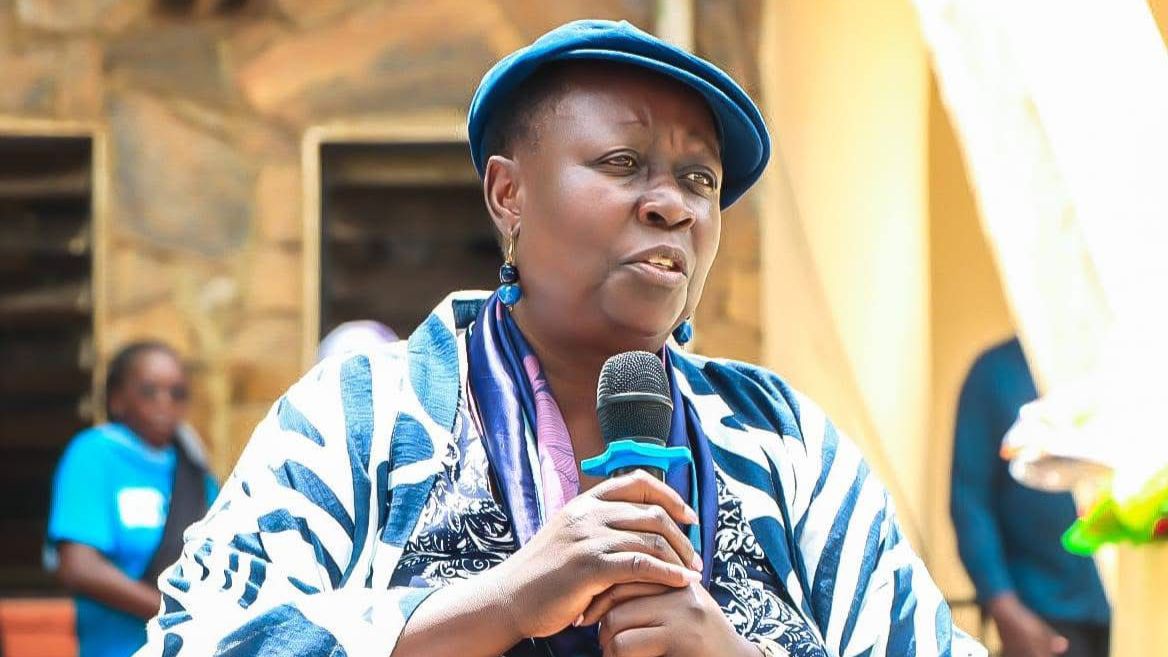
As the Orange Democratic Movement (ODM) marks two decades since its formation, Kisumu Governor Anyang’ Nyong’o has offered a reflective assessment of the party’s origins, achievements and the challenges that still confront Kenya’s democratic project.
In a lengthy opinion piece, Nyong’o, one of the party’s founding figures and its pioneer Secretary General, argues that ODM was born not out of political convenience but from what he describes as a “historical necessity”. According to him, the movement emerged from the reform struggles that culminated in the 2005 Kenyan constitutional referendum, when many Kenyans rejected a proposed constitution that critics said preserved excessive presidential power.
Nyong’o portrays the Orange movement as a political response to a system that had long concentrated authority in the presidency, leaving institutions weak and citizens with limited influence over governance. In his account, the Orange symbol became a rallying point for those demanding deeper democratic reforms and greater accountability in government.
Central to Nyong’o’s reflection is a tribute to the late opposition leader Raila Amollo Odinga, whom he credits with shaping the nationalist vision that guided the party. Nyong’o describes Odinga as a leader who believed Kenya’s unity should be built on justice and constitutionalism rather than ethnic alliances or political expediency. He argues that Odinga’s political career exemplified the sacrifices often associated with reform politics in Kenya, including detention, exile and political isolation.
According to Nyong’o, ODM’s founding philosophy sought to challenge the entrenched political culture in which control of the presidency often determined access to state resources. Such a system, he suggests, encouraged ethnic mobilisation during elections, with communities viewing political contests as a struggle for survival rather than a contest of ideas.
The adoption of the Constitution of Kenya 2010 marked a major milestone in addressing these structural problems. Nyong’o notes that the constitution introduced significant reforms, including the strengthening of Parliament and the Judiciary, the creation of independent commissions such as the Public Service Commission, and the introduction of devolved government.
Devolution, he argues, was designed to disperse power and reduce the intense competition for control of the presidency by transferring authority and resources to county governments. Despite these gains, Nyong’o acknowledges that many of the challenges that inspired the formation of ODM remain unresolved. Corruption, economic inequality and youth unemployment continue to affect large sections of the population, while political competition still risks reverting to ethnic mobilisation.
The governor also calls for introspection within ODM itself as the party marks its 20th anniversary. He argues that political movements decline not when they lose elections but when they lose sight of the principles that inspired their creation.
Internal debate and generational change, Nyong’o says, should be welcomed rather than feared. Younger leaders questioning established ideas, he suggests, represent renewal rather than rebellion, provided that the party’s founding values are preserved.
Looking ahead, Nyong’o maintains that ODM must remain committed to the ideals that shaped its formation, constitutional governance, social justice, respect for civil liberties and the rule of law. He argues that the party’s role should extend beyond electoral competition to defending democratic institutions and ensuring that the gains of constitutional reform are not reversed.
As Kenya continues to grapple with questions of governance, equity and national unity, Nyong’o concludes that the principles behind ODM’s formation remain relevant. For the party, he suggests, the challenge of the next two decades will be to transform its reform legacy into practical solutions for a new generation of Kenyans.