Critics argue that the scandal undermines Kenya’s credibility as a mediator in Sudan’s peace process through the Intergovernmental Authority on Development and the African Union. Past controversies, including Kenya’s hosting of RSF-linked figures and events, have resurfaced, with accusations that Nairobi has provided a haven to RSF allies, further straining relations with Khartoum
To unlock the full article:
Choose one of the options below:
- Ksh 10 – This article only
- Ksh 50 – Access to ALL articles on the site (full site access)
- Ksh 300 – Monthly subscription
- Ksh 2340 – Yearly subscription (10% off)
By The Weekly Vision Diplomatic Desk
A major diplomatic controversy has erupted in Kenya following revelations that a senior figure in Sudan’s paramilitary Rapid Support Forces (RSF), who is under international sanctions, has a Kenyan passport.
The scandal intensified after the Office of Foreign Assets Control of the United States Department of the Treasury updated its sanctions list on 19 February 2026, disclosing details of a Kenyan passport (number AK1586127) held by Algoney Hamdan Dagalo Musa.
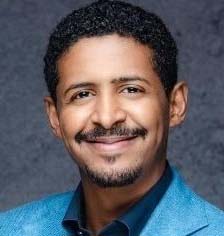
Algoney is described as an RSF major and a brother of the group’s leader, Mohamed Hamdan Dagalo, also known as Hemedti, who has been accused of procuring arms for the paramilitary force. The disclosure followed a separate move by the European Union, which on 29 January 2026 added Algoney and six other individuals to its Sudan sanctions regime under Council Decision (CFSP) 2026/254, amending earlier measures adopted in October 2023.
The EU cited the “dramatic escalation of violence” in Sudan, where fighting between the Sudanese Armed Forces and the RSF has resulted in tens of thousands of deaths, the displacement of millions of civilians and one of the world’s worst humanitarian crises.
The sanctions impose asset freezes, travel bans and prohibitions on EU entities from providing funds or economic resources to the listed individuals. The EU further stated that Algoney is responsible for planning acts constituting serious human rights violations and abuses, breaches of international humanitarian law, and actions threatening Sudan’s peace, stability and security. He is also linked to the procurement of arms and to the establishment of sanctioned companies that support RSF operations.
The Kenyan passport revelation, not contained in the EU listing but highlighted in the US update, has triggered public outrage in Nairobi. Sections of the Kenyan media have reported extensively on the matter, citing leaked immigration documents allegedly showing irregular issuance of passports to foreign nationals, including individuals linked to the RSF.
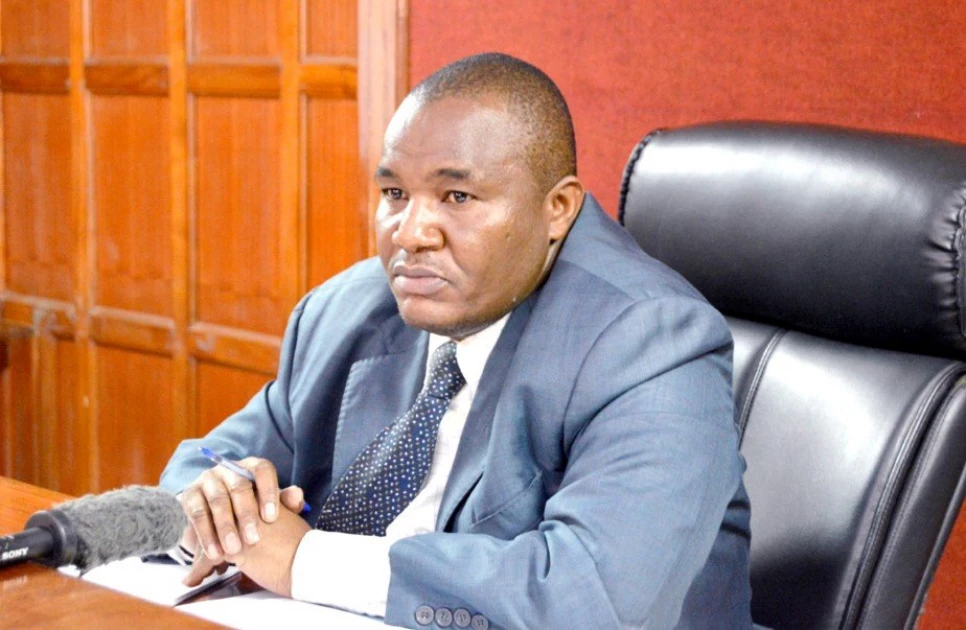
Opposition figures, former senior officials, including former Chief Justice David Maraga and former Attorney General Justin Muturi, as well as civil society activists, have demanded the immediate revocation of the passport, an independent investigation into the immigration system and accountability from the government.
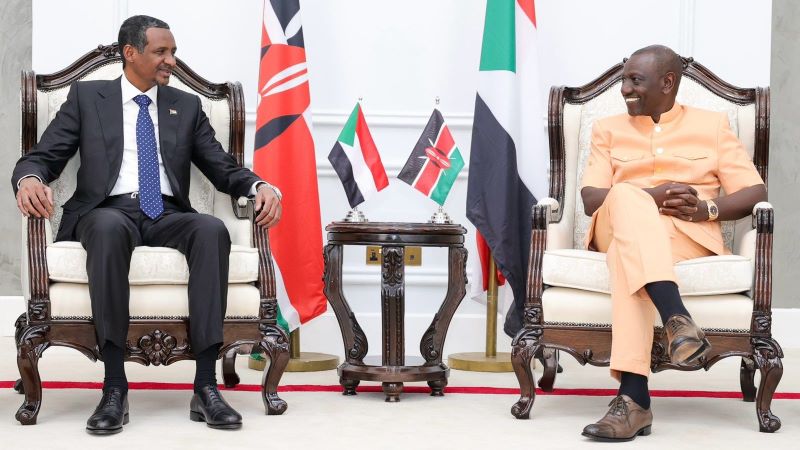
Critics argue that the scandal undermines Kenya’s credibility as a mediator in Sudan’s peace process through the Intergovernmental Authority on Development and the African Union. Past controversies, including Kenya’s hosting of RSF-linked figures and events, have resurfaced, with accusations that Nairobi has provided a haven to RSF allies, further straining relations with Khartoum.
Among those sanctioned by the EU in January 2026 are RSF-affiliated figures accused of atrocities following the group’s seizure of El Fasher in Darfur in October 2025, a development described by the bloc as a dangerous turning point.
They include Elfateh Abdullah Idris Adam (also known as Abu Lulu), a brigadier general accused of executing civilians, including children; field commanders Edris Kafuti and Tijani Ibrahim Moussa Mohamed, accused of harassment of detainees; and Gedo Hamdan (also known as Abu Nushuk), the RSF’s North Darfur commander, accused of overseeing brutal operations.
On the Sudanese army side, sanctions were imposed on Abu Zaid Talha Al-Misbah, commander of the Baraa bin Malik Battalion, for alleged summary executions in Khartoum North in September 2024 and in Gezirah in January 2025.
Another sanctioned individual is Al-Tayyib Al-Imam Joda, described as the emir of the Nafeidiya clan, accused of recruiting fighters, inciting ethnic violence against Kanabi communities and supporting Sudanese Armed Forces–aligned groups linked to mass killings and the burning of villages in Gezirah and Sennar.
The measures reflect growing international frustration with external interference that is seen as prolonging Sudan’s conflict. The EU’s High Representative, Kaja Kallas, condemned the “irreparable cost to human life” and persistent violations of international law, calling for the isolation of those responsible.
President William Ruto’s administration, which has championed IGAD-led peace talks, now faces intense scrutiny over whether Kenya’s policies are reinforcing diplomatic efforts or inadvertently enabling actors fuelling the war.