By The Weekly Vision Reporter
Detectives from the Directorate of Criminal Investigations (DCI) arrested four senior figures in Kenya’s petroleum supply chain last Thursday night. The arrests came over allegations that they facilitated the importation and release of substandard fuel into the market.
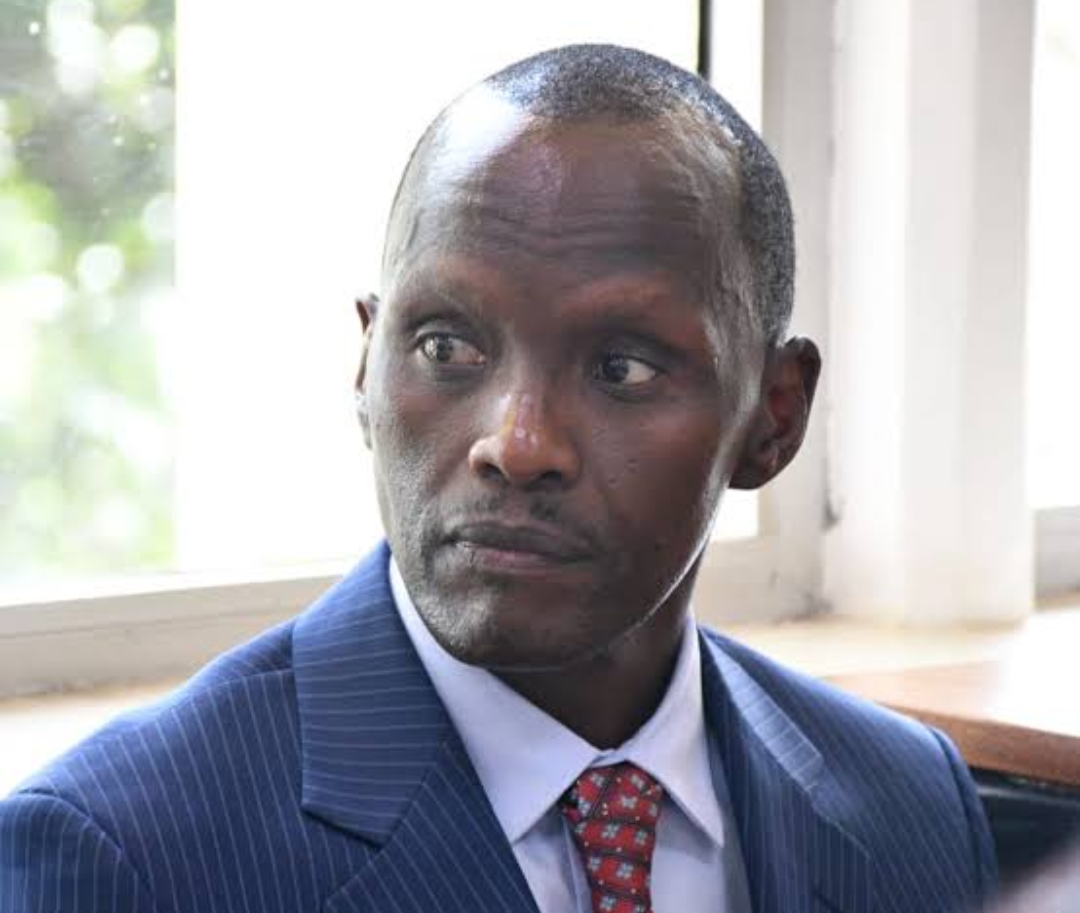
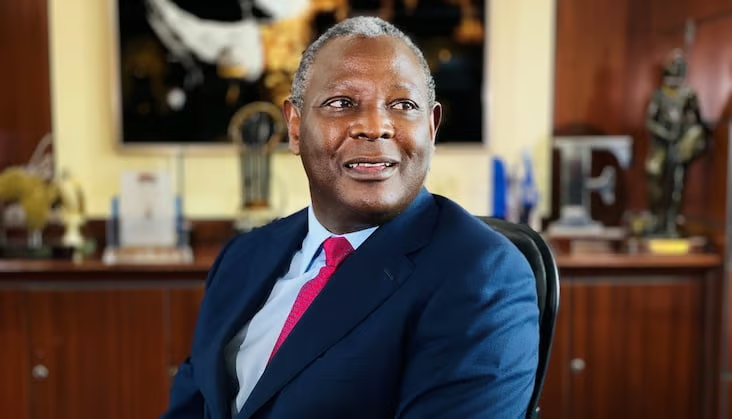
Those detained include Joe Sang, Managing Director of Kenya Pipeline Company (KPC); Mohamed Liban, Petroleum Principal Secretary; Daniel Kiptoo, Energy and Petroleum Regulatory Authority (EPRA) Director-General; and a senior petroleum department official, Joseph Wafula. The arrests have thrust the Ministry of Energy and Petroleum into the spotlight. Claims allege officials approved substandard fuel imports, causing artificial shortages and inflated pump prices.
The arrests form part of a wider government crackdown after the Presidency ordered a comprehensive investigation under Presidential Action No. VII of 2026, citing serious concerns over governance failures, manipulation of fuel stock data, and the importation of substandard fuel.
The operation, which involved raids on the officials’ residences, reportedly yielded substantial sums of cash and critical documents. Mr Liban was later released on medical grounds, while Kiptoo and Sang remained in custody at DCI headquarters. A fourth official spent the night at Gigiri Police Station.
The officials have since stepped aside to allow investigations to proceed, while KPC has appointed its Finance General Manager, Pius Mwendwa, as acting Managing Director.
DCI Director Mohamed Amin confirmed that investigations are ongoing, with additional suspects still being pursued. The probe centres on the alleged clearance of petrol consignments that failed quality tests, particularly those with sulphur levels exceeding Kenyan standards. A KPC quality assurance manager is said to have flagged the fuel but allegedly faced internal pressure to release it into the national pipeline network.
The scandal unfolds against the backdrop of Kenya’s government-to-government (G-to-G) fuel import framework, designed to secure stable supplies from the Middle East at preferential rates. However, emergency clearances were reportedly granted outside this arrangement to two local firms amid disruptions linked to the Iran crisis in early March 2026, which affected shipments through the Strait of Hormuz.
One such firm, One Petroleum, a Mombasa-based entity within the MJ Group empire controlled by billionaire Mohammed Jaffer, secured approval for a 60,000-tonne petrol consignment priced at approximately Sh37,700 per tonne. This was more than three times the standard G-to-G rate of around Sh10,920 per tonne, representing a 245 per cent premium. The excess cost has reportedly been passed on to consumers through the pump-price formula for the April–May 2026 cycle, potentially adding at least Sh19 per litre.
One Petroleum’s ownership includes members of the Jaffer family, Mojtaba Mohamed Jaffer, Ali Abbas Jaffer, and Mohamed Husein Jaffer, alongside Solomon Esebwe Mwanjuma Ondego, Ali Salaah Balala, and others. Mr Ondego is the son of prominent Mombasa businessman and former Kenya Ports Authority Managing Director Brown Ondego. The MJ Group, chaired by Mr Jaffer, controls key port infrastructure, including Mbaraki Bulk Terminal for petroleum storage and Grain Bulk Handlers for bulk grain and LPG imports.
EPRA Director-General Daniel Kiptoo had earlier announced One Petroleum’s incorporation into the G-to-G framework as a permanent participant, alongside another firm, extending its access until at least 2028. Critics argue that this move, combined with inflated pricing and alleged quality lapses, points to serious irregularities in oversight and potential conflicts of interest within the approval chain managed by the arrested officials.
For Joe Sang, this is not unfamiliar territory. He was previously arrested in 2018 over the Kisumu oil jetty scandal involving alleged abuse of office and financial irregularities. Observers have noted the irony, with one senator remarking that “this time, things must be different”. KPC’s board has already moved swiftly to appoint Finance General Manager Pius Mwendwa as acting Managing Director.
The arrests have raised broader concerns about fuel security, quality control, and the integrity of emergency import processes. Kenya’s strategic reserves were reportedly low, petrol at 16 days’ cover and diesel at 19 days, heightening public anxiety over potential shortages.
Alternative supplies from Belgium and India are expected between mid- and late April, while the National Treasury has indicated it may utilise the Petroleum Development Levy stabilisation fund to cushion consumers against price spikes. President William Ruto has previously defended the G-to-G model as “prudent”, but the current probe may put that assertion to the test.
The suspects are likely to be arraigned in court on Tuesday, 7 April 2026, where they could face charges under the Anti-Corruption and Economic Crimes Act. These may include failure to maintain proper petroleum records, stocks, and reserves, as well as potential abuse of office and conspiracy-related offences.
[/full]