By The Weekly Vision Business Desk
African apparel and agricultural exporters can breathe a sigh of relief after the United States House of Representatives on Tuesday, 13 January, unanimously passed legislation to extend the African Growth and Opportunity Act (AGOA), paving the way for the reopening of preferential access to the crucial US market for a further three years.
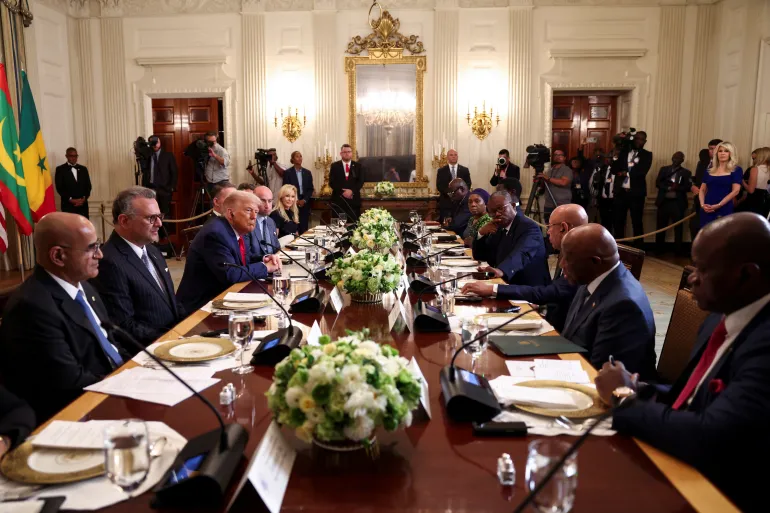
The African Growth and Opportunity Act Extension Act now awaits approval by the Senate before being forwarded to President Donald Trump for his signature.
Under the draft legislation, the AGOA Extension Act would set a new expiry date of 31 December 2028. It would also retroactively resolve tariff issues that have arisen since AGOA lapsed.
The expiry of AGOA last September, after 25 years, threw exporters of more than 6,500 products, including apparel, auto parts and handmade crafts, in 32 African countries, Kenya included, into uncertainty. This fuelled fears of billions of dollars in lost export earnings and widespread job losses, particularly in the textile and floriculture industries.
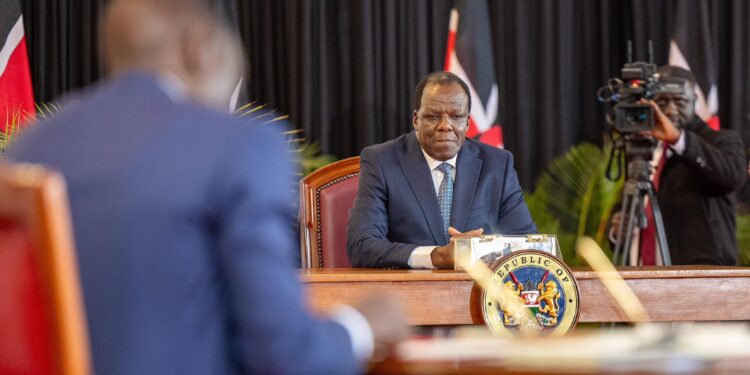
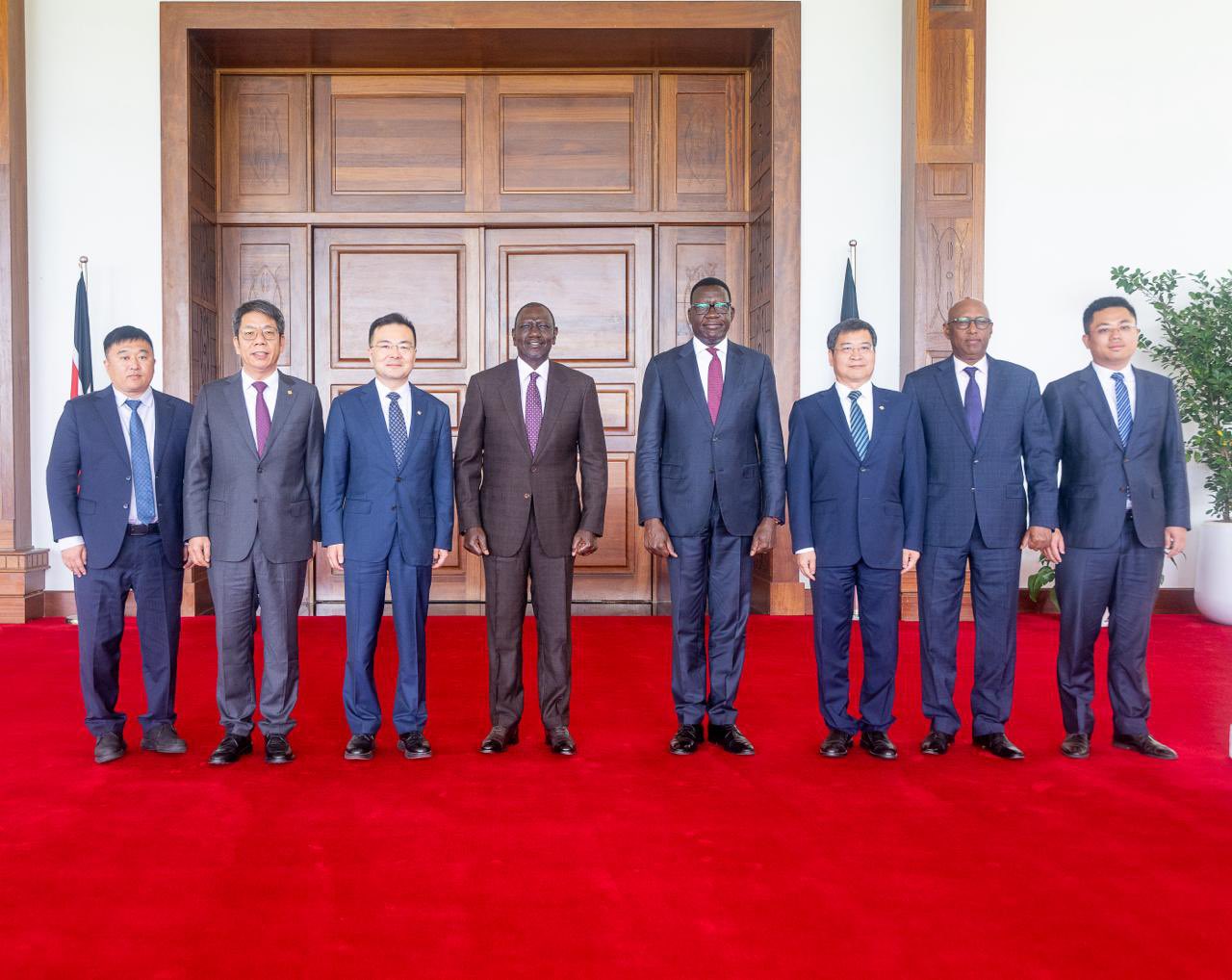
President William Ruto has been among the leaders at the forefront of efforts to push for AGOA’s extension for at least two years, as Kenya negotiates a new strategic trade deal with the Trump administration. Kenya reportedly slowed negotiations on a trade deal with China that was nearing finalization last year following pressure from Washington.
Republicans have been candid that extending AGOA is not solely about trade, but also about curbing competition from China and Russia, particularly in strategic sectors such as the extraction of critical minerals across the continent.
Republican Congressman Jason Smith, however, warned that the renewed programme would come with stringent eligibility criteria, to be reviewed annually, a move analysts say could potentially lock out countries such as South Africa, which has fallen out with the Trump administration.
“To be eligible, countries must also ensure they are not undermining America’s national security or foreign policy interests,” he said.
Ahead of the vote, which was fast-tracked in December with broad bipartisan support, there was intense lobbying from organizations both for and against the extension.
The American Apparel & Footwear Association (AAFA) lobbied in support of the extension in a letter addressed to House Speaker Mike Johnson and Minority Leader Hakeem Jeffries.
“On behalf of the undersigned organisations, representing the full spectrum of the textile, apparel, footwear and retail industries, as well as the broader business community, we urge the House to pass, on suspension, the retroactive reauthorisation of the key US trade preference programmes with sub-Saharan Africa and Haiti,” the associations stated.
The letter was signed by the AAFA, Footwear Distributors & Retailers of America, the National Retail Federation, the Outdoor Industry Association, the Retail Industry Leaders Association, and the US Fashion Industry Association (USFIA).
However, the Coalition for a Prosperous America (CPA) strongly urged members of the House of Representatives to oppose the legislation, arguing that it contains no substantive reforms to address what it described as serious deficiencies in the programme.
The CPA contends that while AGOA provides qualifying sub-Saharan African countries with tariff-free access to the US market for thousands of products, and was intended to promote economic development, democratic reform and stronger geopolitical ties with Washington, it has not proven to be an effective diplomatic or economic tool, particularly in the face of China’s growing influence in the region.
“Congress should not extend a trade programme that has produced persistent US trade deficits, weakened American manufacturers and handed China a strategic advantage in Africa,” said Jon Toomey, President of the CPA. “AGOA’s one-way preferences undermine tariff collections that could be invested at home and leave US producers at a competitive disadvantage, all while failing to achieve its stated development or geopolitical objectives.”