By The Weekly Vision Team
The government has established a KSh 500 million National Minority Scholarship Programme to support children from indigent minority and marginalised communities in accessing quality secondary and tertiary education.
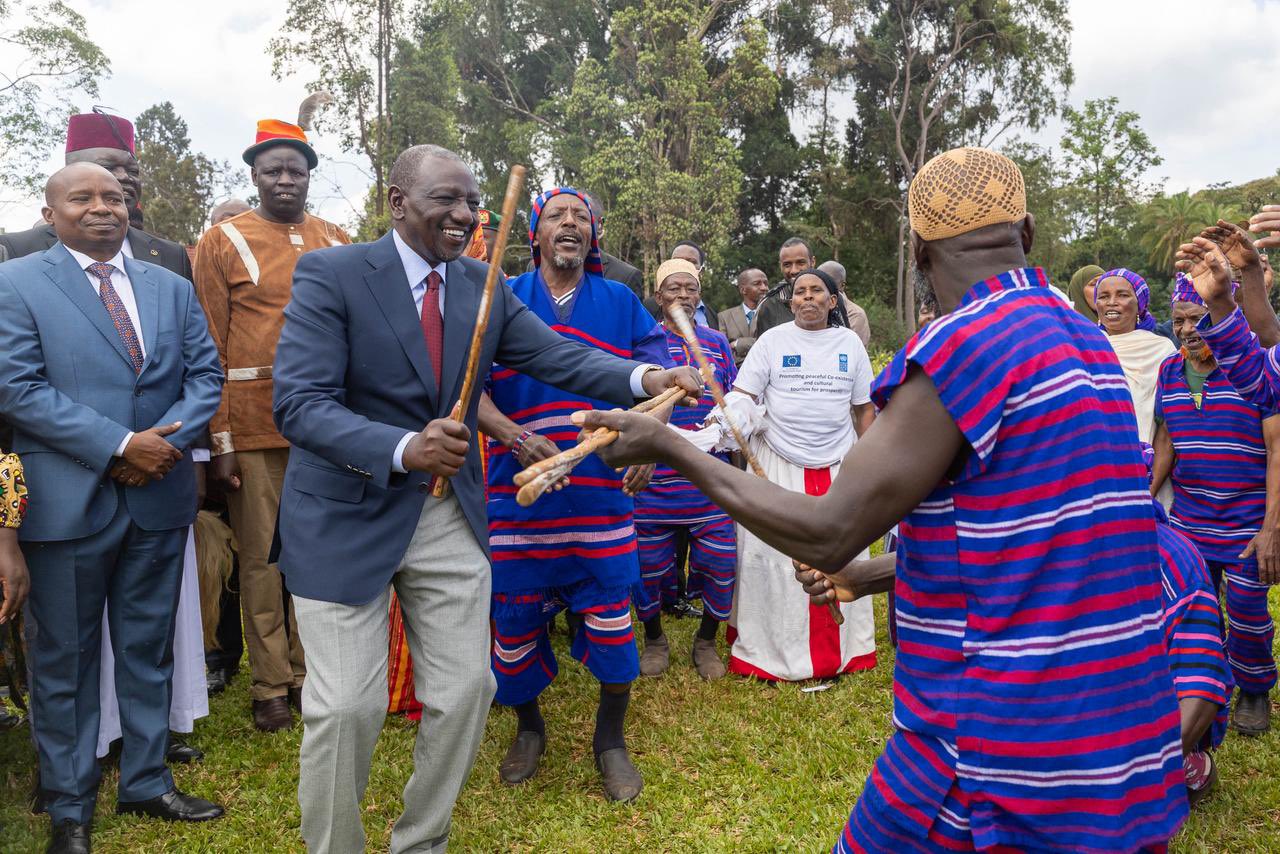
Speaking at State House, Nairobi, while hosting representatives of minority communities on the occasion of the International Day of Minority Rights last month, President William Ruto also announced that the Ministry of Education will set aside KSh 200 million annually as an Education Infrastructure Fund to build, upgrade, and equip schools and colleges in minority and marginalised areas.
Asserting that the place of minorities in the country will no longer be determined by the whims of individuals but firmly anchored in law, President Ruto said the government is implementing a comprehensive set of policy measures to elevate ethnic minorities, indigenous peoples, and marginalised communities to their rightful place at the national table.
The President, who was handed a report on the status of ethnic minorities and marginalised communities, added that the government will soon launch the National Policy on Ethnic Minorities, Indigenous Peoples, and Marginalised Communities, recently approved by Cabinet.
“Let this policy move from paper into lived reality. The immediate establishment of a KSh 500 million National Minority Scholarship Programme will support children from indigenous minorities and marginalised communities to access education, ensuring that poverty is no longer a barrier to talent,” he said.
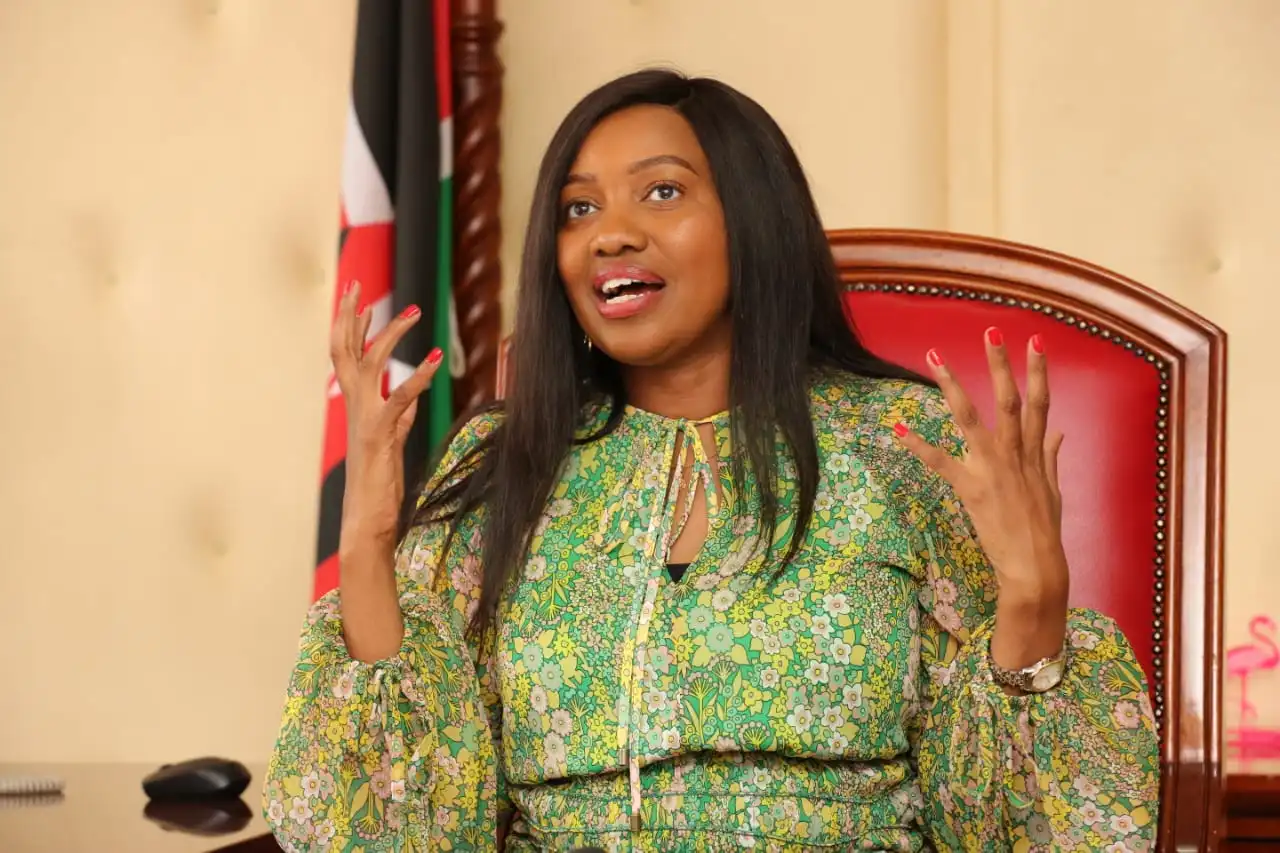
Meanwhile, National Gender and Equality Commission (NGEC) Chairperson Rehema Jaldesa has called for sustained political commitment and adequate funding to support the agenda of minority groups.
In a statement, Jaldesa also urged increased attention to the development of legislation and policies that protect minority communities. She reaffirmed NGEC’s commitment to equality, dignity, and inclusion of minority and marginalised groups in the national development agenda.
“It is a time to reflect on the strides Kenya has made, recognise contemporary challenges, and renew Kenya’s dedication to protecting the rights of all minority populations,” she said.
Jaldesa noted that Kenya comprises a multiplicity of communities, each with its own unique languages, cultures, knowledge systems, and identities.
“Many groups, including pastoralists, forest dwellers, fishing communities, and hunter-gatherers, face structural exclusion and unequal access to opportunities. These are the greatest measures of inequality. Such inequalities manifest in limited access to land and natural resources, insufficient representation in governance, socio-economic marginalisation, and heightened vulnerability to climate change, conflict, and displacement,” she explained.
She added that minority groups also face significant barriers to accessing justice, particularly those that have experienced historical land dispossession, forced evictions, or conflicts over resources.
“Minority-dominated areas have historically suffered limited investment in crucial services such as education, healthcare, infrastructure, and industrialisation. With increasing post-modernisation, cultural erosion has become a real concern. Minority languages, traditional knowledge systems, and livelihoods are threatened by environmental degradation and negative technological interventions. Gender-specific vulnerabilities within minority groups disproportionately affect women and girls, who face intersecting forms of discrimination.”
However, NGEC commended the government and non-state actors for the numerous measures taken to address the vulnerabilities facing minority communities.
These include, among others, the drafting and validation of a policy and bill on ethnic minorities and marginalised communities, investments in regions occupied by minority groups, the establishment of the Minorities and Marginalised Affairs Unit (MMAU) under the Presidency, and the government’s formal recognition and gazettement of previously stateless or unrecognised minority communities.
NGEC further advocated for deliberate inclusive development and planning to ensure that infrastructure, social services, and economic investments benefit historically marginalised communities.
Additionally, Jaldesa emphasised the need for renewed safeguarding of cultures and languages, which are vital to Kenya’s national identity; increased involvement of organisations of (and for) minority groups, with a focus on women, youth, and people with disabilities, in decision-making, policy creation, and leadership; and sustained partnerships between government, the private sector, development partners, and civil society to support sustainable development for minority communities.