By The Weekly Vision Reporter
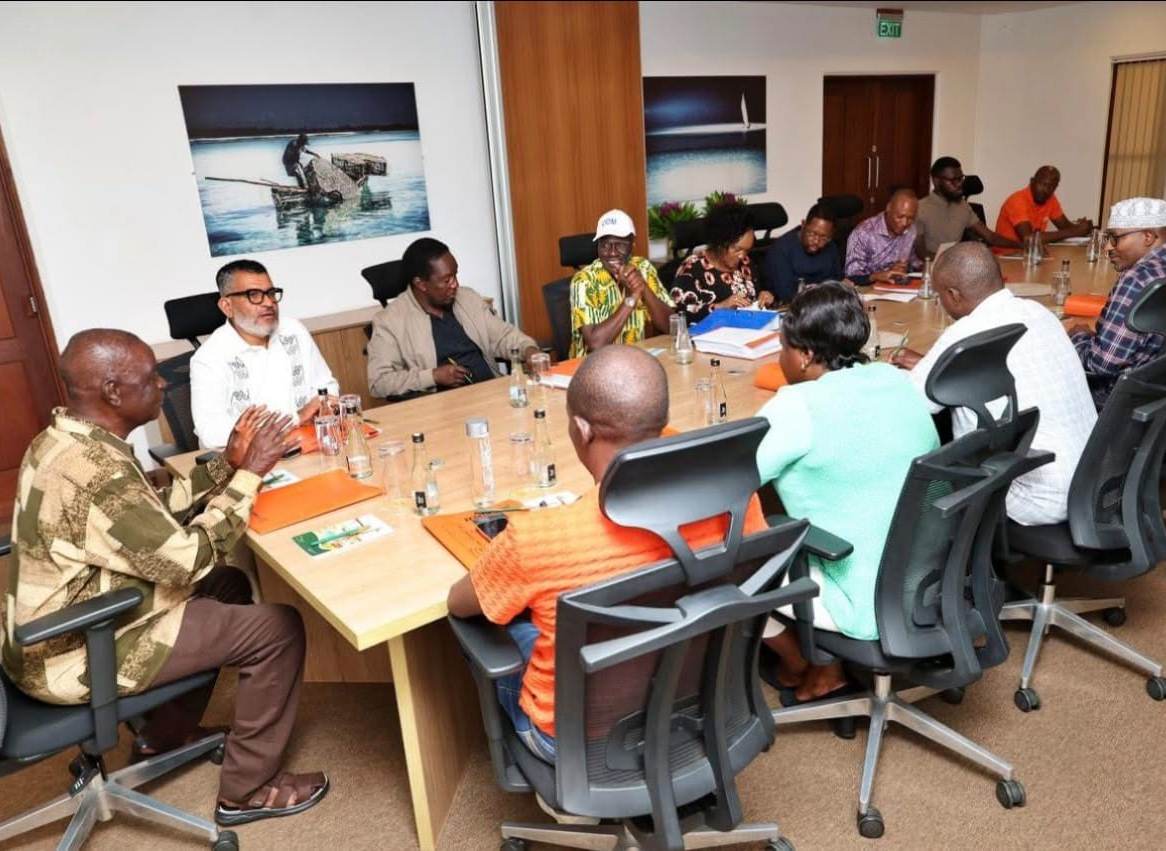
The Orange Democratic Movement (ODM) convened its Central Management Committee (CMC) in Vipingo, Kilifi County today under the chairmanship of party leader Dr Oburu Oginga. The gathering, described by party officials as a consultative forum to address emerging political and national issues, comes at a pivotal moment for the opposition outfit as it navigates internal divisions and charts its course towards the 2027 general elections.
The meeting assumes particular significance following the passing of the party’s founding leader, Raila Odinga, in October 2025. Dr Oginga, Raila’s elder brother and Siaya Senator, assumed the helm amid a delicate transition. The CMC—ODM’s principal decision-making body, includes senior figures such as the national chairperson, deputy party leaders, secretary-general, treasurer, and other appointed members.
Its deliberations are expected to shape the movement’s strategy on critical matters, including the controversial broad-based government arrangement with President William Ruto’s United Democratic Alliance (UDA) and preparations for future electoral battles. Notably absent from the proceedings were two prominent figures: Secretary-General Edwin Sifuna and Deputy Party Leader Godfrey Osotsi, the Vihiga County Senator.
Photographs circulated by attendees, including Homa Bay Governor Gladys Wanga (party chairperson) and Mombasa Governor Abdulswamad Nassir (another deputy leader), confirmed their non-attendance. Mr Sifuna, who also serves as Nairobi Senator, and Mr Osotsi have been vocal critics of deeper cooperation with the ruling coalition, advocating instead for a principled opposition stance rooted in Raila Odinga’s legacy of reform and social justice. The absences have fuelled speculation about deepening fissures within ODM. Mr Sifuna has faced mounting pressure in recent weeks, including calls for his expulsion orchestrated by figures such as Migori Senator Eddy Oketch.
Those efforts were temporarily shelved following interventions by party trustees, including Ida Odinga, the widow of the late Raila. The internal discord has pitted proponents of the broad-based arrangement, seen by some as pragmatic engagement for national stability, against those who view it as a betrayal of ODM’s core ideals and a dilution of its opposition role. Mr Osotsi, too, has aligned with the cautious faction, expressing reservations about the party’s trajectory. His absence, reportedly linked to prior requests for postponement due to Senate commitments abroad, underscores the challenges of achieving full consensus at such a fraught juncture. Party spokespersons have downplayed the no-shows, emphasising the meeting’s focus on forward-looking dialogue.
Dr Oginga himself announced the session on social media, framing it as an opportunity for collective reflection on Kenya’s political landscape. Yet the optics of key dissenters missing from the table raise questions about unity. Can ODM reconcile its competing visions without alienating a significant segment of its base? Or will these absences signal a more profound realignment as the post-Raila era unfolds? As Kenya approaches 2027, ODM’s ability to maintain cohesion will prove decisive.
The movement that once galvanised millions under Raila’s banner now faces the test of institutional resilience. The CMC’s outcomes, yet to be fully disclosed, may offer clues as to whether the party emerges stronger or more fragmented from this latest chapter of introspection and contestation.