Speaking during a virtual meeting convened by IHK Nürnberg für Mittelfranken, Diaspora Affairs Principal Secretary Roseline Kathure Njogu noted that the African diaspora is increasingly becoming a decolonising force, leveraging expertise, technology and capital to drive transformation in both host and home countries
By The Weekly Vision Reporter
Diaspora Affairs Principal Secretary Roseline Kathure Njogu has reiterated that Kenya’s diaspora is not merely a community abroad, but a strategic development partner. She said the Kenyan diaspora contributes to economic growth through remittances and investment, as well as through skills, technology and knowledge transfer.
Speaking during a virtual meeting convened by IHK Nürnberg für Mittelfranken, Njogu noted that the African diaspora is increasingly becoming a decolonising force, leveraging expertise, technology and capital to drive transformation in both host and home countries.
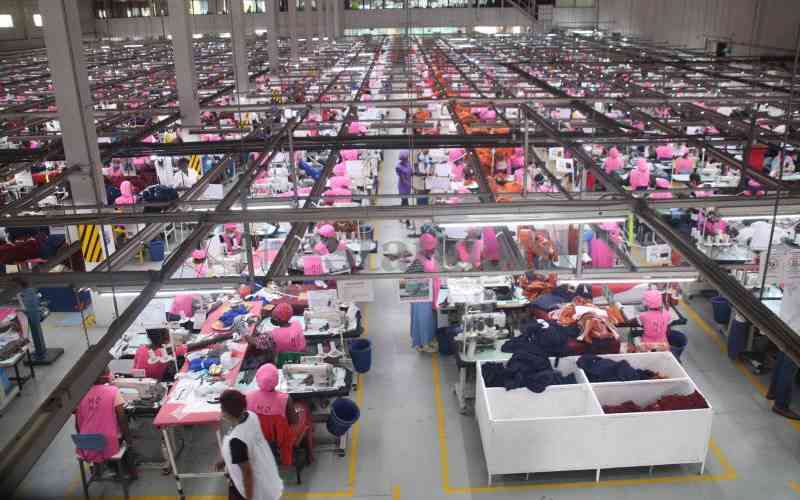
“In Germany, Kenyan professionals contribute to healthcare, engineering, ICT, manufacturing and services, sectors that are vital to economic competitiveness. At home, their remittances, investments and mentorship support families, businesses and young entrepreneurs,” she said.
The Principal Secretary added that well-managed migration can serve as a bridge between economies, creating jobs and strengthening societies in both countries of origin and destination.
She noted that youth employment remains a national priority under the Bottom-Up Economic Transformation Agenda and Vision 2030, with the Government pursuing a three-pronged approach to expand opportunities through domestic employment, digital work and structured diaspora labour mobility pathways.
Njogu further observed that Germany, like many other countries, is facing labour shortages in key sectors, presenting an opportunity to link Kenya’s growing youth workforce with skills demand abroad through structured and ethical recruitment frameworks.
“For migration to deliver real impact, it must be skills-based, ethically managed and demand-driven. This requires robust systems for skills recognition, language preparation and workplace integration so that young people enter the labour market with dignity and purpose,” she said.
She underscored the role of diaspora professionals as bridges between economies, noting that migration should be a story of shared gain, where the Kenyan diaspora access meaningful work, host countries secure the skills they need, and diaspora communities thrive while contributing to development back home, thereby completing the labour mobility cycle.
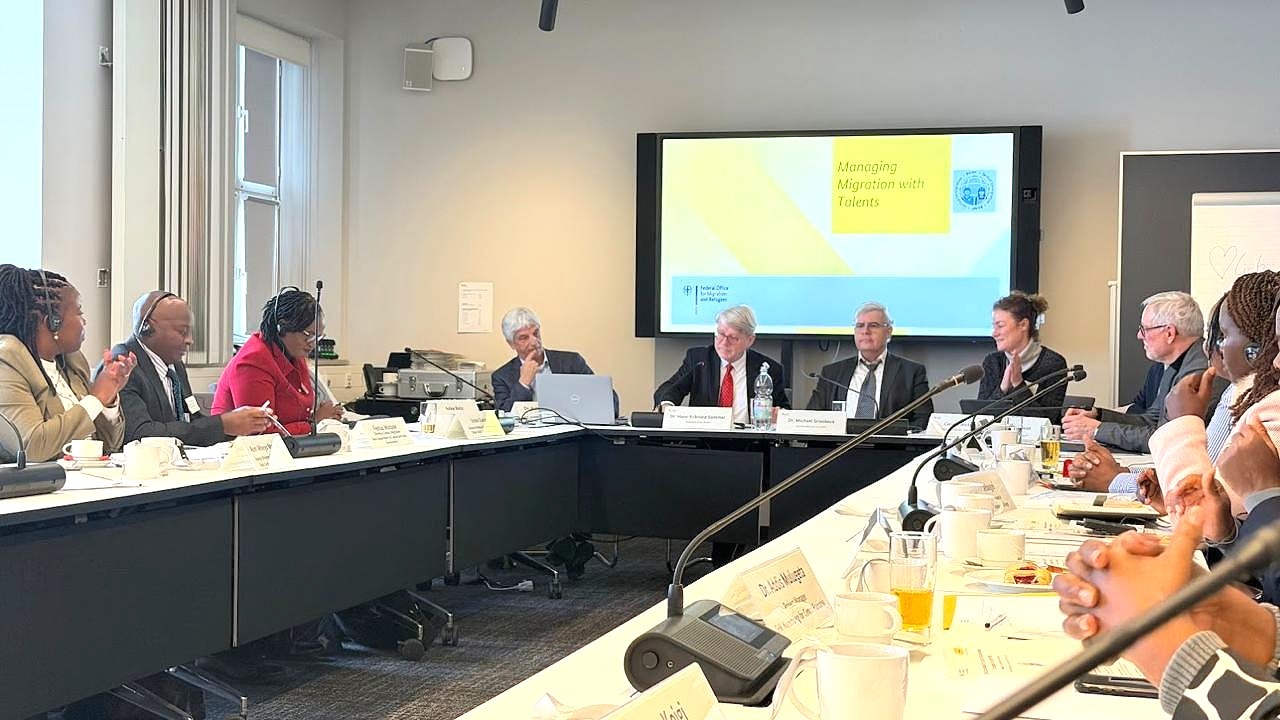
Meanwhile, Irene Karari, Director for Skills and Expertise, and Dr Hans-Eckhard Sommer, President of Germany’s Federal Office for Migration and Refugees (BAMF), met in Germany, where they discussed labour mobility and frameworks for mutually beneficial migration.
Karari reaffirmed Kenya’s commitment to a rights-based approach, ensuring the protection, engagement and prosperity of Kenyan citizens abroad within a well-coordinated migration system.
Dr Sommer underscored the indispensable role of German language proficiency in successful labour migration and long-term integration. He outlined Germany’s established support infrastructure, managed by BAMF.
He said Germany offers federally funded integration courses and specialised vocational language courses tailored to specific professions and recognition procedures, noting that the system is designed to meet actual labour market needs.
Both parties agreed on the need to address existing capacity gaps and strengthen targeted vocational language training. They also explored the development of tailored solutions within the bilateral labour migration cooperation framework.