By The Weekly Vision Political Desk
The Orange Democratic Movement (ODM) is facing one of its most consequential internal moments in recent years after Kisumu County’s Members of County Assembly (MCAs) publicly endorsed veteran politician Oburu Oginga as the party’s chief negotiator. What initially appeared to be a routine internal alignment has since escalated into a defining political confrontation over the party’s future direction.
At the heart of the unfolding drama is not merely Oburu’s rising influence, but a deeper ideological struggle within ODM as it navigates life in a broad-based government and positions itself for the 2027 General Election.
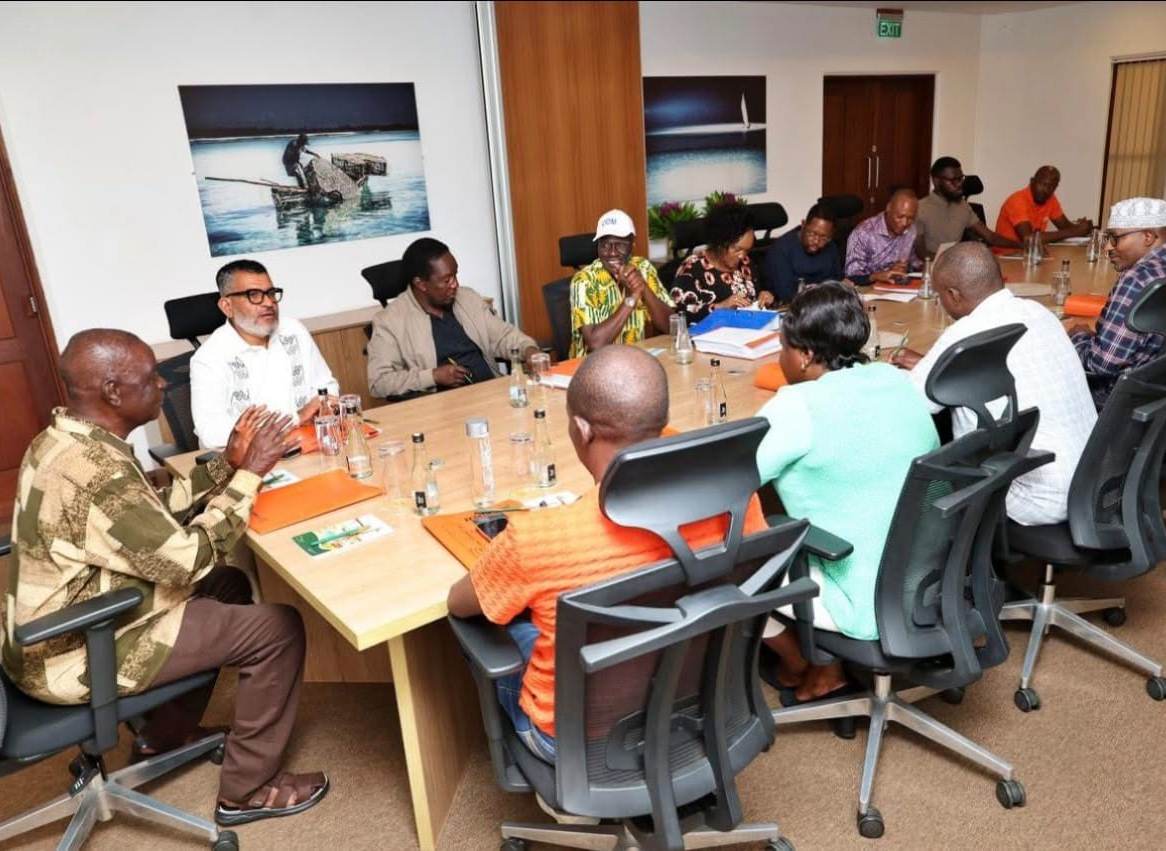
Meeting behind closed doors under intense political scrutiny, Kisumu MCAs emerged united, declaring an end to what they termed internal confusion and sabotage within the party. Majority Leader Ken Ooko announced that the ward representatives had unanimously resolved to recognise Oburu as their political point man, warning rival factions against undermining his authority.
The endorsement was widely interpreted as a direct message to ODM leaders uneasy with closer engagement with President William Ruto’s administration. For Kisumu MCAs, cooperation with the national government is no longer a betrayal of ideals, but a practical pathway to development.
Several ward leaders openly questioned the value of perpetual political confrontation, arguing that residents in ODM strongholds are more concerned with tangible outcomes such as roads, healthcare, jobs, and water projects than ideological battles played out in Nairobi.
This marks a significant shift for a party whose identity was built on resistance politics and the reformist zeal of its longtime leader, Raila Odinga. With Raila increasingly absent from day-to-day political combat, ODM is being forced to redefine itself, either as a party of principled opposition or as a pragmatic actor willing to negotiate power for the benefit of its base.
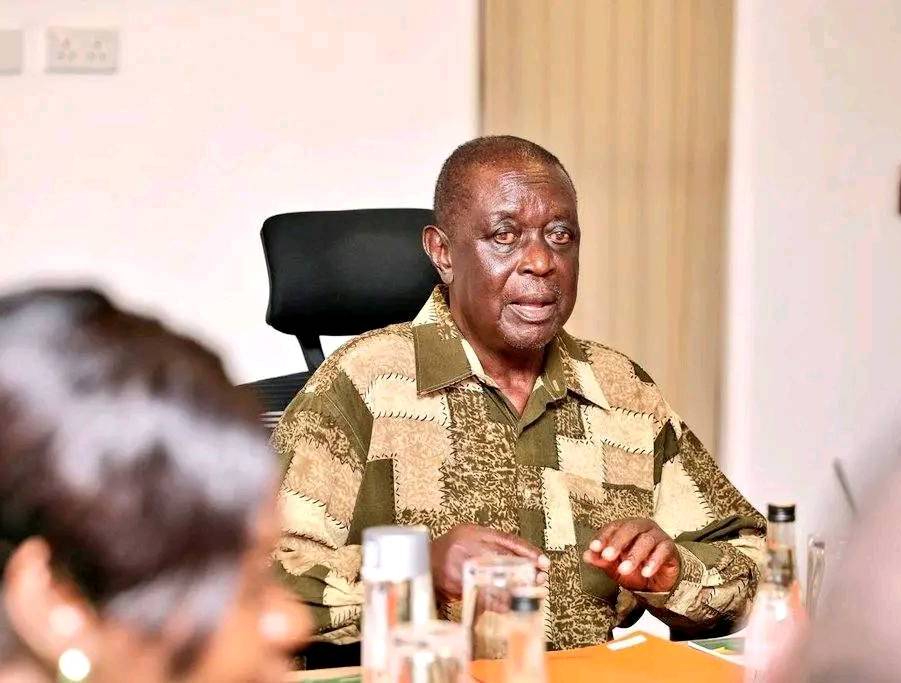
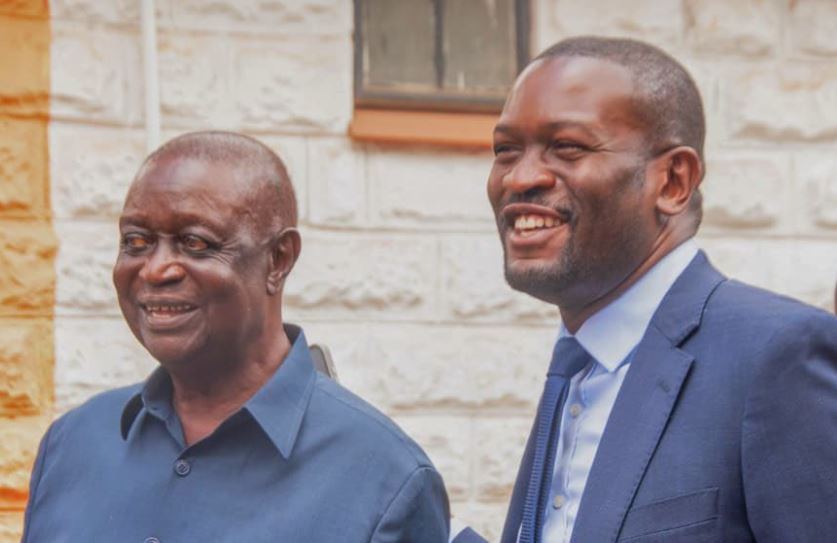
Oburu Oginga sits squarely at the centre of this transition. As Raila’s brother and a seasoned political operator, he embodies both the emotional legacy of ODM and the practical instincts required to navigate Kenya’s evolving power structures. To his supporters, he represents continuity with adaptability, a bridge between the party’s past and its present realities.
However, to critics within the ODM hierarchy, Oburu’s growing role raises concerns about ideological dilution. Hardliners fear that excessive proximity to government risks turning ODM into a junior partner, weakening its standing as an alternative centre of power ahead of 2027.
Kisumu MCAs have dismissed such fears as elitist and detached from grassroots realities. They argue that political relevance must now be measured by delivery rather than rhetoric, warning that permanent opposition has historically translated into prolonged marginalisation for the region.
The endorsement has also altered ODM’s internal power dynamics. By rallying firmly behind Oburu, Kisumu leaders have signalled that Nyanza is no longer willing to be sidelined in national negotiations or internal party arrangements. Any attempt to weaken Oburu, they insist, is an attempt to weaken the region itself.
Beyond policy and development, succession politics loom large. With Raila Odinga no longer the uncontested centre of gravity within ODM, various leaders are positioning themselves for influence. The public backing of Oburu is therefore as much about protecting the Odinga political legacy as it is about shaping the party’s future leadership structure.
As ODM inches towards 2027, the party finds itself openly divided between pragmatists and purists, grassroots leaders and national elites, negotiators and ideologues. The broad-based government arrangement has become the fault line along which these tensions are playing out.
Whether Oburu Oginga emerges as a unifying figure capable of reconciling these competing visions, or as a lightning rod for deeper divisions, remains to be seen. What is clear, however, is that ODM is no longer speaking with one voice, and the choices it makes now will shape not only its own fortunes but Kenya’s political landscape in the years ahead.
For Kisumu MCAs, the position is unequivocal. Development, they argue, is also politics, and engagement, not isolation, is the path they have chosen.