A federal judge in the United States has sparked widespread outrage after handing down relatively light jail terms to two defendants in a massive $250 million COVID-19 pandemic fraud scandal. In sentences delivered in early April 2026, Judge Nancy Brasel gave six months to one defendant and just over a year to another, despite federal guidelines recommending significantly longer prison terms. The rulings have triggered fierce criticism that the justice system is too lenient in one of the largest fraud cases involving funds meant to feed children during the pandemic
Premium
To unlock the full article: Choose one of the options below:
Ksh 10 – This article only
Ksh 50 – Access to ALL articles on the site (full site access)
Ksh 300 – Monthly subscription
Ksh 2340 – Yearly subscription (10% off)
By The Weekly Vision Investigative Desk
A federal judge in Minnesota has come under intense scrutiny after handing down relatively light sentences to two defendants in one of the largest COVID-19-related fraud cases in United States history, reigniting debate over consistency and fairness in the justice system.
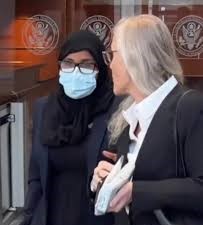
U.S. District Judge Nancy Brasel sentenced Zamzam Jama, a Somali-American linked to a family-run operation that fraudulently obtained approximately US$5.6 million, to six months in prison. The sentencing took place in early April 2026.
U.S. District Judge Nancy Brasel sentenced Zamzam Jama (Left), a Somali-American linked to a family-run operation that fraudulently obtained approximately US$5.6 million, to six months in prison. [Photo: Courtesy]
A day earlier, the same judge sentenced Abdul Abubakar Ali to one year and one day in prison for his role in the same scheme. Both cases are tied to the sprawling Feeding Our Future fraud case, which involved the alleged misuse of funds from the Child Nutrition Programme, expanded during the COVID-19 pandemic to provide meals to children during school closures.
Prosecutors say the scheme saw a network of individuals and entities submit fraudulent claims for millions of meals that were never served. The operation is estimated to have siphoned off roughly US$250 million in taxpayer funds through fake meal sites, inflated attendance records and fabricated invoices.
Court documents show that Jama was associated with Brava Restaurant and Café in Rochester, Minnesota, which allegedly claimed to have served up to 1.7 million meals. She pleaded guilty to money laundering and was found to have personally benefited from about US$491,000, which she has been ordered to repay in full.
Federal sentencing guidelines in her case reportedly recommended a prison term of between 10 and 16 months, with prosecutors pushing for the upper limit. However, Judge Brasel imposed a significantly shorter sentence. In Ali’s case, sentencing guidelines suggested a range of 30 to 37 months after he pleaded guilty to conspiracy to commit wire fraud. His sentence of just over a year has similarly drawn criticism.
Judge Brasel cited mitigating factors, including early cooperation with investigators, expressions of remorse and family circumstances, in justifying the downward departures. She has also previously spoken about the need to address implicit racial bias within the criminal justice system.
Sentences across the wider case have varied sharply. Some key figures have received lengthy prison terms ranging from 10 to 28 years, while other early cooperators have been granted probation. The latest rulings, however, have sparked public concern, particularly among critics who argue that the penalties do not reflect the scale of the fraud, funds originally intended to feed vulnerable children during a national emergency.
Supporters of the court’s approach maintain that U.S. federal sentencing law requires judges to weigh individual circumstances, cooperation and acceptance of responsibility in each case. As of early 2026, dozens of defendants have pleaded guilty, while several others have been convicted following trial. Additional sentencing is still pending, meaning the full legal and public reckoning over the scandal is far from complete.