By The Weekly Vision Reporter
Kenya’s ambitious redevelopment of Bomas of Kenya is under intense scrutiny after a Senate inquiry exposed troubling contradictions between official safety claims and a rising toll of injuries and deaths.
At the centre of the investigation lies a critical question: how can a project deemed “fully compliant” continue to record serious workplace incidents? What emerged before the Senate Committee on Labour and Social Welfare this week was not merely a discrepancy in paperwork, but a widening credibility gap between government assurances and the lived reality on the ground.
Officials from multiple ministries, alongside contractors including China Road and Bridge Corporation, painted a picture of a well-regulated construction environment. They cited mandatory safety inductions, enforcement of protective gear, routine inspections, and the presence of on-site medical facilities.
On paper, the system appears airtight. Yet senators were unconvinced. At least 18 injuries and two fatalities have already been reported, figures that, in the context of a “highly controlled” site, raise serious red flags. More troubling still is the apparent absence of verifiable compensation records for victims and their families.
The most persistent line of questioning from lawmakers centred not on whether accidents had occurred, but on what had been done afterwards. Under Kenyan law, workplace injuries and deaths fall under the Work Injury Benefits Act (Kenya), which mandates prompt reporting, medical assessment, and compensation for affected workers or their dependents.
However, testimony from the Directorate of Occupational Safety and Health Services suggested that, in several cases, critical documentation had not been submitted. Without these records, compensation cannot legally proceed.
This raises a stark possibility: workers may be getting injured, or worse, without the legal protections fully taking effect.
The Senate inquiry is now pointing to deeper structural issues that extend beyond isolated incidents:
- Weak enforcement, not weak laws
Kenya’s occupational safety framework is robust on paper. The problem, as the hearings suggest, lies in enforcement. If incidents are not properly reported or documentation is delayed, the entire compensation chain collapses. - Subcontracting risks
Large infrastructure projects often rely on multiple layers of subcontractors. This can dilute accountability, making it difficult to determine responsibility for worker safety and post-incident compensation. While the main contractor maintains oversight, day-to-day compliance may vary across teams. - Pressure to deliver
Mega-projects operate under tight timelines and political expectations. Such pressure can quietly incentivise shortcuts, whether in safety enforcement, rest periods, or risk assessments, despite official protocols. - Transparency gaps
Senators repeatedly demanded records that should have been readily available: injury logs, compensation files, and audit reports. Their absence, or delayed submission, suggests either poor record-keeping or deliberate opacity.
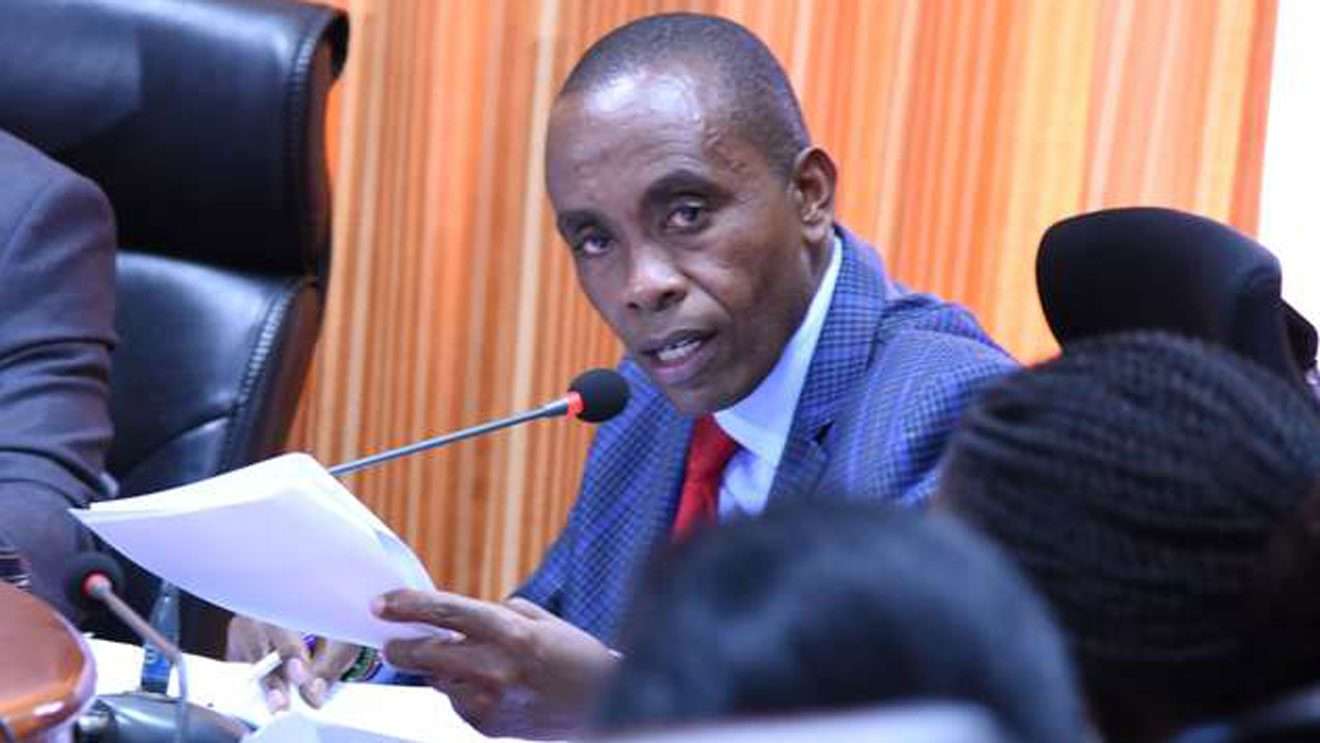
The tone of the inquiry quickly shifted from routine oversight to something more urgent. Lawmakers questioned how a site employing roughly 2,400 workers could record multiple serious incidents while still claiming full compliance. The disconnect, they argued, cannot be explained away by procedure alone.
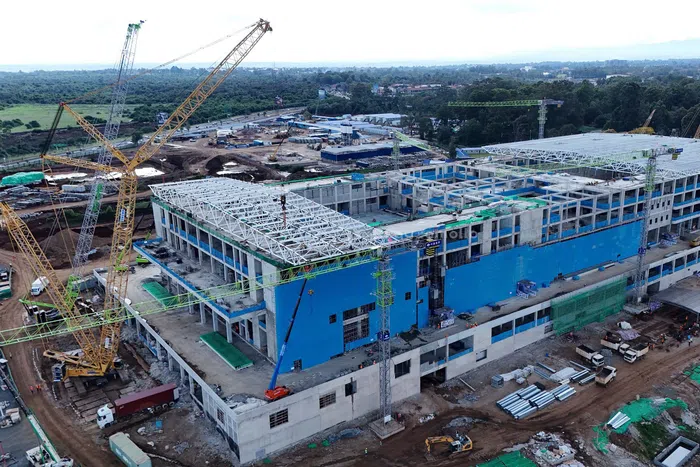
The redevelopment of Bomas into a world-class convention complex is intended to elevate Kenya’s status as a regional hub for conferences and tourism. Yet the Senate hearings suggest that beneath the ambition lies a more uncomfortable narrative, one of risk, accountability gaps, and potential neglect. The committee’s site visit, including inspections of locations where fatalities occurred, signals that the inquiry is far from over.
Infrastructure projects are often judged by their scale, cost, and economic impact. Rarely are they scrutinised through the lens of the workers who build them. Yet the unfolding inquiry at Bomas is forcing precisely that reckoning.
If the Senate’s concerns hold, the issue is not simply that accidents have occurred, an unfortunate reality in construction, but that the systems meant to respond to those accidents may be failing.