By Benson Nyangweso
The Marachi Foundation (TMF) Ecosystem is a development model built to generate wealth for communities in Busia County by integrating farmers, investors, financial institutions, and agro-processing industries into a coordinated network.
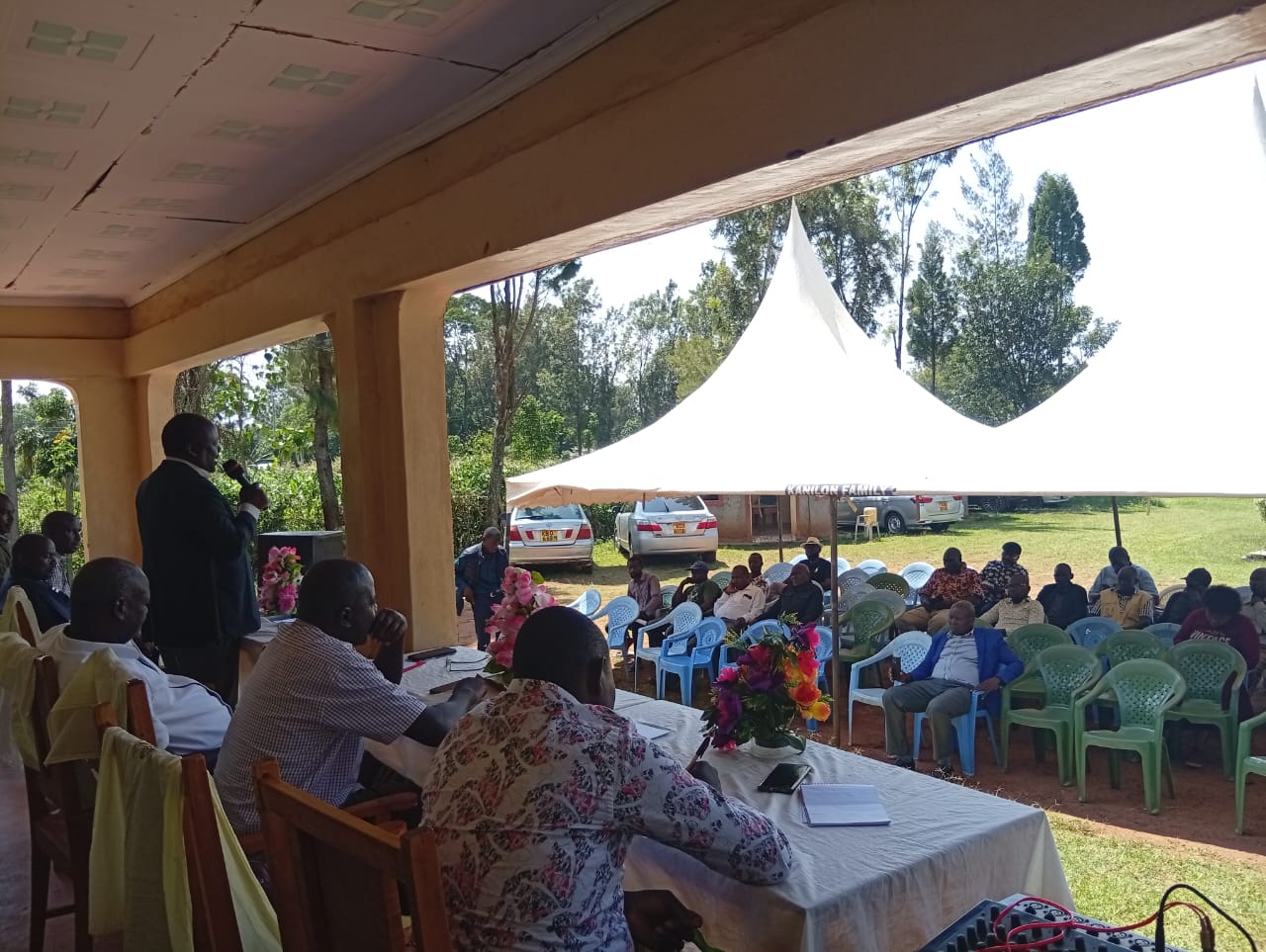
TMF Chairman, Professor Pius Odunga, notes that the model revolves around The Marachi Foundation (TMF), a community organisation that empowers members, particularly youth and women, and advances environmental sustainability. The foundation mobilises communities, manages development initiatives, and delivers training and capacity building for farmers and entrepreneurs.
Under the model, community members are encouraged to participate both as savers and investors. Savings are channelled through TMF SACCO Ltd, which offers financial services such as savings accounts, credit and loans. These financial services, Professor Odunga adds, are intended to support farmers and small and medium-sized enterprises (SMEs) by helping them access capital for agricultural production and business expansion.
With training from the foundation and financing from the SACCO, farmers are expected to produce crops and livestock products such as cassava, oilseeds, cereals and dairy products. These commodities would then be supplied to agro-processing industries operating within the TMF ecosystem.
Investment opportunities are provided through TMF ICS Members, who act as community investors. Members contribute capital and may benefit from dividends, potential growth in share value and opportunities created through job creation and local economic development.
The ecosystem’s industrial and commercial operations are expected to be managed by Cendrix TMF Capital Ltd, which would oversee logistics, professional management and value addition along the agricultural value chain. The company plans to support agro-processing ventures such as cassava processing, edible oil production, cereal milling and dairy processing.
Once processed, the products would be distributed through retail and wholesale networks targeting both local and export markets. Revenue generated from these markets would flow back through the ecosystem, creating profits that could be shared among investors and community stakeholders.
Strategic partners, including government institutions, development finance organisations and private investors, are also expected to support the initiative by providing financing, policy support and investment partnerships.
The model is designed to create a cycle in which communities mobilise savings, farmers produce raw materials, industries process them into higher-value products, and markets generate revenue that returns profits to community investors. Supporters of the initiative say such an approach could strengthen rural economies by linking financial inclusion, agricultural production and industrial development within one system.
If successfully implemented, the TMF Ecosystem could provide a model for community-driven economic transformation by ensuring that value generated from agriculture benefits the communities that produce it.