By The Weekly Vision Reporter
Kenyan motorists and households are facing fresh economic pressure after the Energy and Petroleum Regulatory Authority (EPRA) announced sharp increases in fuel prices effective from midnight on 15 May 2026.
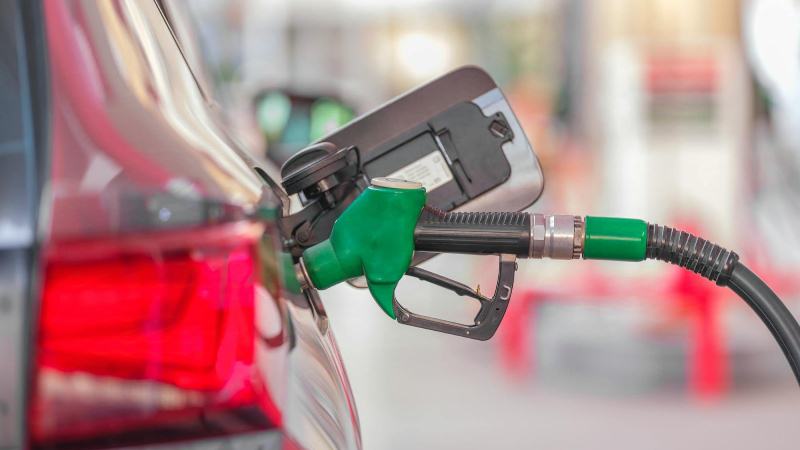
According to EPRA’s latest review for the period between 15 May and 14 June 2026, super petrol in Nairobi will now retail at a maximum of KSh 214.25 per litre, while diesel has climbed to a record KSh 242.92 per litre. Kerosene prices remain unchanged at KSh 152.78 per litre.
The new prices represent an increase of KSh 16.65 per litre for petrol and a steep KSh 46.29 per litre for diesel compared with the previous cycle. EPRA attributed the hikes to rising international landed costs of petroleum products, driven by global supply disruptions, geopolitical tensions in the Middle East, and a weaker Kenyan shilling against the US dollar.
Diesel, in particular, recorded a nearly 20 per cent increase in landed costs.
Although the government has implemented some relief measures, including subsidies from a stabilisation fund and a reduced VAT rate, the adjustments have still pushed pump prices to historic highs.
The ripple effects are expected to be felt across the economy:
- Households: Higher transport costs will increase the price of food commodities, especially those transported from rural areas to urban markets. Families already struggling with the high cost of living will face additional pressure on their monthly budgets.
- Businesses and Manufacturers: Companies reliant on diesel-powered generators and heavy vehicles will see production and logistics costs rise significantly, potentially leading to higher prices for goods and services.
- Public Transport: Matatu and bus fares are likely to increase in the coming days, adding pressure on daily commuters. This comes at a time when many Kenyans are already grappling with inflation.
- Inflation and the Economy: Economists warn that sustained high fuel prices could drive inflation even higher and slow economic recovery.
The announcement coincides with public participation forums on the upcoming Finance Bill 2026. Many citizens and civil society groups are expected to use the forums to voice concerns over the rising cost-of-living crisis and demand stronger measures to cushion vulnerable populations.
Energy Cabinet Secretary Opiyo Wandayi and Treasury officials have urged patience, noting that global oil prices remain volatile. The government has pledged to accelerate investments in renewable energy and explore long-term strategies aimed at reducing dependence on imported fossil fuels.
For now, however, the immediate reality for millions of Kenyans is clear — more pain at the pump and in their pockets.