By The Weekly Vision Reporter
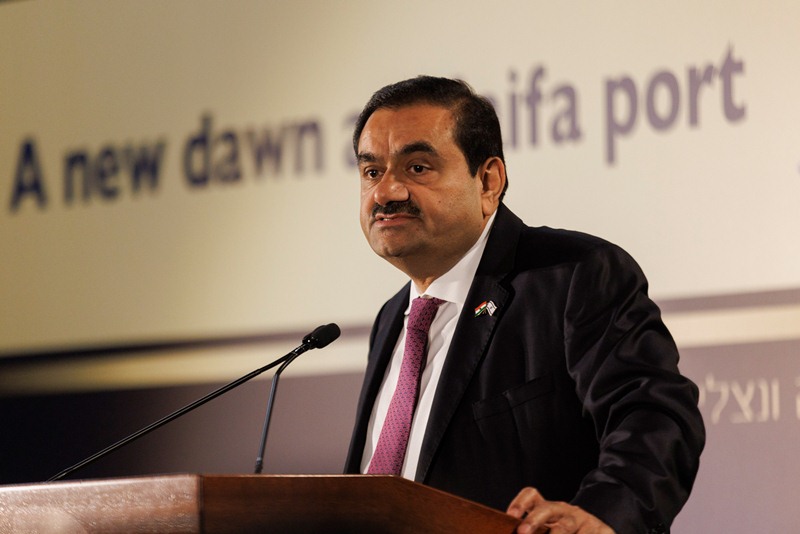
In a major legal turnaround, U.S. authorities are preparing to drop criminal fraud charges against Indian billionaire Gautam Adani, the founder of the Adani Group, according to reports by Bloomberg and other international media.
The decision, which could be announced as early as this week, comes after charges were filed in November 2024 accusing Adani and associates of a large-scale bribery scheme involving Indian solar projects and misleading U.S. investors.
The development is being closely watched in Kenya, where the Adani Group was once at the centre of two controversial multi-billion-shilling deals.
In 2024, the Adani Group had secured agreements worth over KSh 300 billion for:
- The modernisation and operation of Jomo Kenyatta International Airport (JKIA), Kenya’s main aviation gateway.
- Construction of power transmission lines.
However, following the U.S. indictment, widespread public protests, concerns over transparency, and legal challenges, President William Ruto’s administration cancelled both deals in late 2024. The JKIA project was formally terminated earlier this year. Many Kenyans viewed the cancellation as a prudent move to protect national interests amid the cloud of international allegations.
Others saw it as a missed opportunity for much-needed infrastructure investment.
With the U.S. charges potentially being dropped, questions are emerging:
- Could Adani Group re-engage with African markets, including Kenya?
- Will Kenya reconsider future partnerships with major Indian conglomerates for critical infrastructure?
- How does this affect Kenya’s strategy to attract credible foreign investment in airports, ports, energy, and other sectors?
Kenya continues to pursue public-private partnerships (PPPs) for infrastructure development, with President William Ruto’s government emphasising transparency, value for money, and local benefits.
The Adani case comes against the backdrop of deepening U.S.-India strategic and economic relations. PM Narendra Modi and President Donald Trump have maintained close ties, with ongoing discussions on trade, technology, and investment.
While there is no proven direct interference on the political front in the Adani case, the timing highlights how geopolitics, big business, and legal matters often intersect. For Kenya, the lesson remains clear- in an era of complex global deals, rigorous due diligence, strong legal safeguards, and public accountability are essential when partnering with powerful international players.