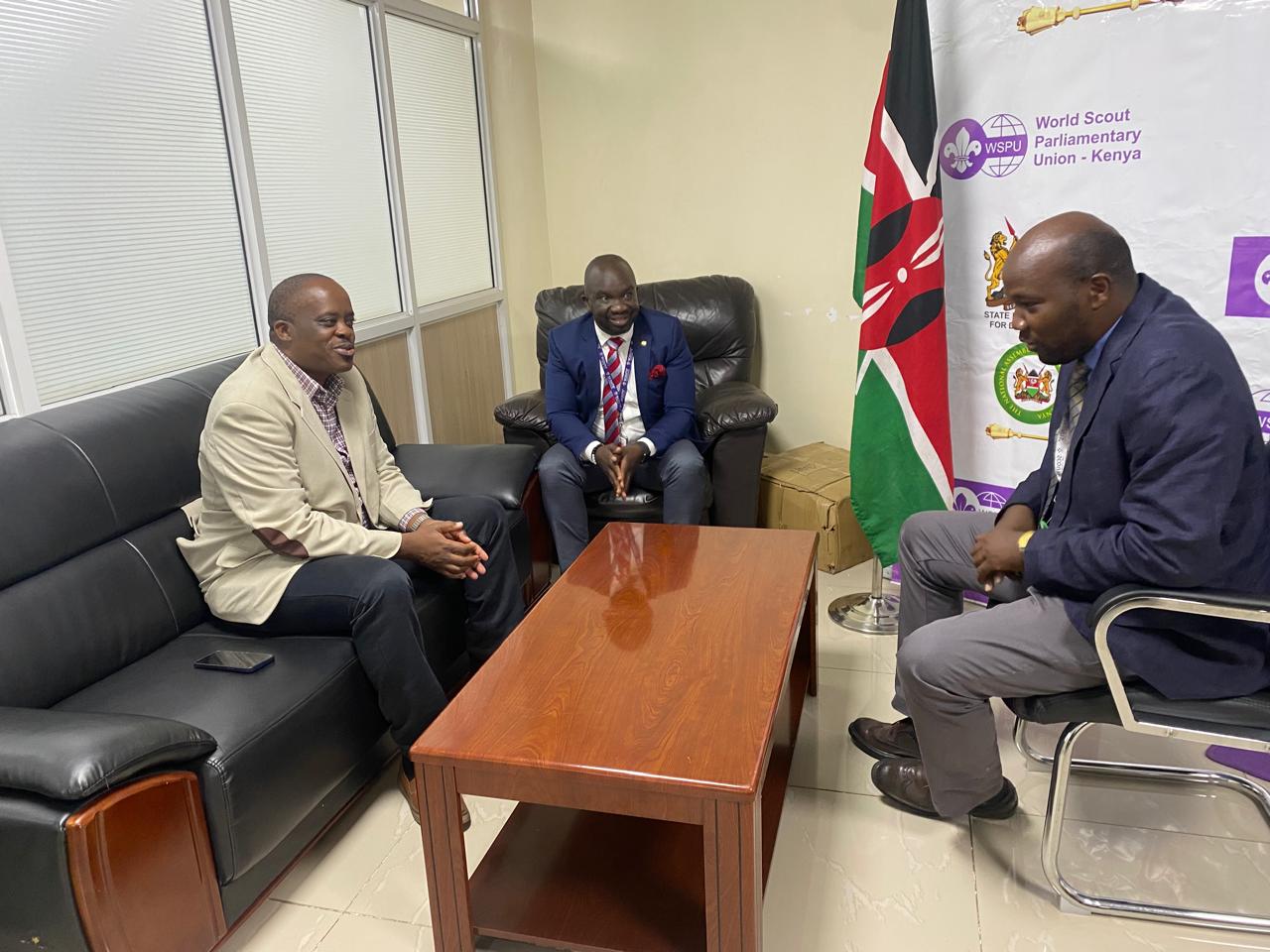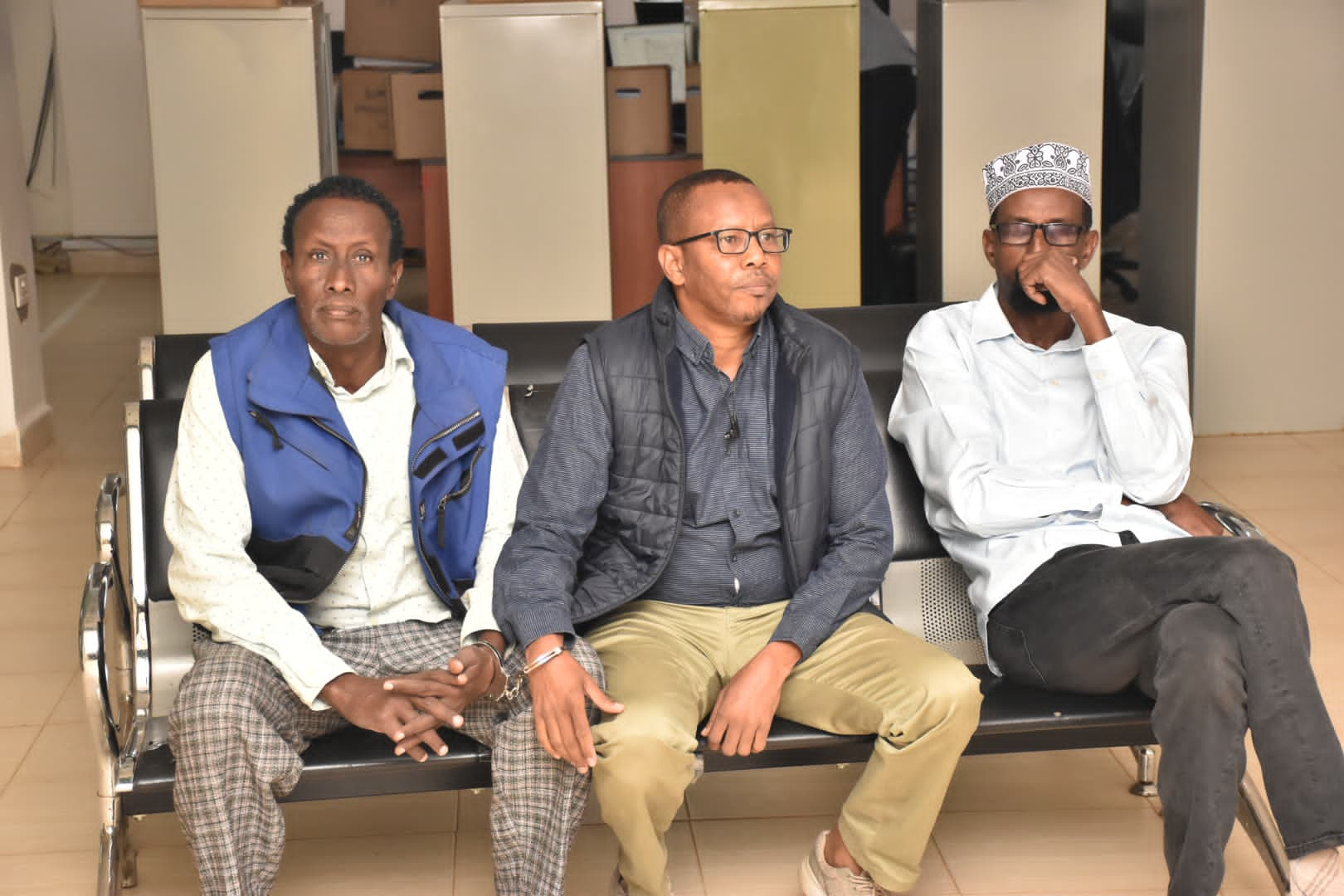
NCIC Chief Executive Officer Daniel Mutegi Giti called for urgent, coordinated action to stem rising tensions, urging political and community leaders to abandon inflammatory rhetoric and prioritise peacebuilding. He also emphasised the importance of responsible media reporting and the need to hold perpetrators of violence and incitement accountable
By The Weekly Vision Reporter
The National Cohesion and Integration Commission (NCIC) has raised alarm over what it describes as a disturbing escalation of violent conflicts across several parts of the country, warning that the trend poses a direct threat to Kenya’s peace, unity and national stability.
In a statement issued on Tuesday, 20 January, NCIC Chief Executive Officer Daniel Mutegi Giti said the failed 2025 short rains season has triggered a surge in intercommunal violence in Marsabit, Samburu, Tana River, Narok and Turkana counties. The conflicts have resulted in loss of life, destruction of property worth millions of shillings and the displacement of numerous families.
Giti cited a major cross-border attack on 13 January 2026, when armed assailants from Ethiopia’s Hamar villages raided the Dasenach community in El-Anybura village, Illeret, Marsabit County. The attack left six people dead, eight others seriously injured and led to the theft of more than 500 cattle and 200 goats.
While local residents managed to neutralise four attackers and security agencies responded swiftly, Giti said the incident exposed the fragility of cross-border peace and underscored the need for sustained diplomatic engagement between Kenya and Ethiopia.
Two days later, armed bandits ambushed a livestock lorry travelling from Lolkuniyani Market to Isiolo in Samburu County, killing two people, injuring three others and making away with 12 head of cattle in a daytime attack.
“This bold assault has severely disrupted commercial activities and undermined community security during routine market operations,” Giti said.
In Tana River County, the competition for land, water and grazing resources has resulted in at least 11 deaths and five injuries since 22 December 2025. The Commission expressed concern over the emergence of ethnic alliances, warning that such formations risk deepening divisions and permanently fragmenting communities.
Narok County remains volatile, particularly in Ang’ata Barikoi, where renewed clashes between the Kuria and Kipsigis communities, linked to long-standing cross-border disputes, have led to the destruction of homes, displacement of families and several fatalities during the festive season.
Giti noted that while the Government’s declaration of affected areas as security-disturbed zones and the imposition of dusk-to-dawn curfews have restored relative calm, long-term peace can only be achieved through sustained dialogue.
In Turkana County’s Turkwel belt, sporadic attacks continue despite efforts by community leaders and government agencies. NCIC welcomed calls by religious leaders urging politicians to refrain from inflammatory remarks, an appeal the Commission strongly endorsed as the country approaches the 2027 General Election.
Meanwhile, in Garissa County, the fatal shooting of a civilian during a security operation has heightened anxiety among residents, reinforcing the need for professionalism, restraint and accountability within security agencies.
Giti warned that persistent tensions along the Garissa–Tana River border, driven by historical grievances and competition over natural resources, could escalate further without proactive intervention.
The Commission also condemned a recent terrorist attack near Burabor in Mandera County, which resulted in deaths and injuries, reaffirming the continued threat posed by cross-border militancy and regional instability. While Wajir County remains relatively stable, NCIC said the wider North Eastern region requires enhanced early-warning systems, sustained community dialogue and conflict-sensitive security responses.
Separately, NCIC strongly criticised remarks attributed to Nakuru West MP Samuel Arama, which it said amounted to ethnic contempt and risked inflaming divisions nationwide.
The Commission said statements suggesting discriminatory access to Constituency Development Fund resources based on ethnicity or political affiliation violate constitutional principles of equality and inclusivity and may contravene the National Cohesion and Integration Act, 2008.
NCIC demanded an immediate and unconditional apology to affected communities and confirmed that formal investigations have commenced, with legal action to follow upon conclusion.
Giti called for urgent, coordinated action to stem rising tensions, urging political and community leaders to abandon inflammatory rhetoric and prioritise peacebuilding. He also emphasised the role of responsible media reporting and the need to hold perpetrators of violence and incitement accountable.
The Commission further called for long-term investment in climate adaptation, water infrastructure and alternative livelihoods to address the resource scarcity underlying many of the conflicts.
“All leaders, political, religious and community must remember that public office is a constitutional trust exercised on behalf of all Kenyans and must be upheld with responsibility, restraint and fidelity to the rule of law,” Giti said.
He urged communities affected by conflict to reject violence, embrace dialogue and work together towards peaceful coexistence, reaffirming NCIC’s commitment to safeguarding national unity.