By The Weekly Vision Reporter
Kenya’s political landscape is crackling with fresh momentum as the Orange Democratic Movement (ODM) undertakes a significant strategic shift that could redefine opposition politics and alter the trajectory towards the 2027 General Election.
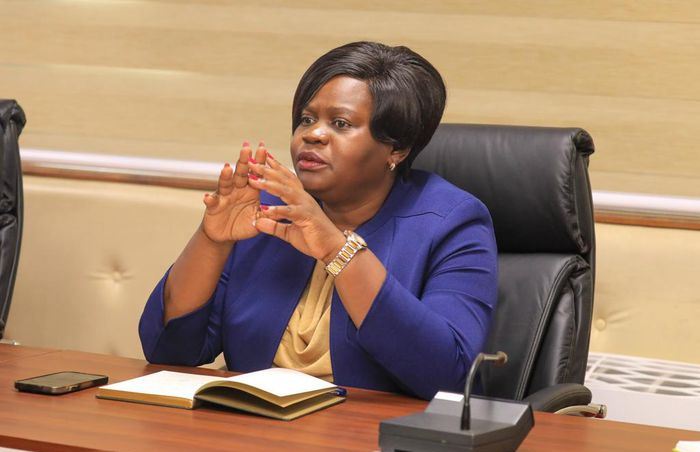
At the heart of this pivot stands Homa Bay Governor Gladys Wanga, the ODM National Chairperson, whose resolute advocacy for a 50-50 power-sharing arrangement with President William Ruto has ignited intense debate both within the party and across the nation. During a recent “meet the people” tour at Linda Ground in Kisumu East Constituency on Wednesday, 25 February 2026, Wanga spoke with unwavering conviction.
She affirmed that ODM harbours no regrets over its engagement strategy, describing the negotiations as a deliberate pathway to genuine economic transformation rather than mere political compromise.“Our aim is clear and we are jumpstarting negotiations with this in mind,” she declared, emphasising that the pursuit of parity in a broad-based governance framework is rooted in empowering the ordinary mwananchi through equitable development, fair resource distribution, and a meaningful voice in national decisions.
Behind the scenes, veteran strategist Oburu Oginga Odinga has been tasked with leading these sensitive talks. Party insiders indicate that his brief is to translate ODM’s political leverage into concrete economic gains, revitalising critical sectors, reinforcing devolution, and integrating the party’s priorities into national policy structures. For ODM’s leadership, power represents far more than symbolism; it is the vital mechanism for delivering the long-promised transformation to its supporters.
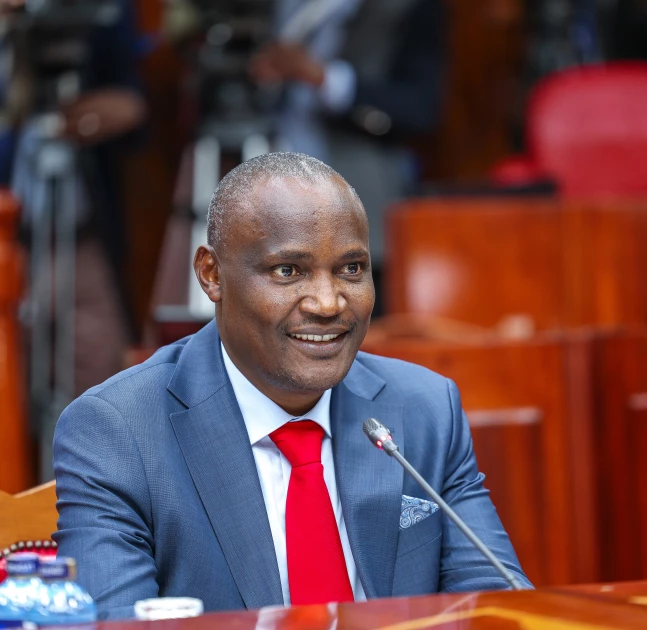
This recalibration has garnered robust endorsements from prominent figures intent on consolidating party unity. Kisumu Central MP Dr Joshua Oron publicly backed Wanga and Oburu, characterising their efforts as a strategic step for the greater good. He urged rival factions to set aside internal differences and unite to bolster ODM’s negotiating position ahead of 2027, asserting that unity is essential for the party to function as a formidable force rather than a fractured opposition.
Kisumu West MP Rosa Buyu echoed this view, framing the power-sharing initiative as an example of political maturity. She argued that structured participation in governance delivers more substantial benefits than sustained confrontation, stressing that development is achieved through active involvement in decision-making structures, not rhetoric alone. Kisumu Deputy Governor Mathews Owili described the shift as both timely and essential, maintaining that ODM’s resilience stems from its capacity to evolve tactically without compromising core principles.
The underlying logic is straightforward: prolonged exclusion from executive decision-making risks keeping ODM’s strongholds politically vibrant yet economically sidelined. By negotiating from a position of unified strength, the party seeks tangible outcomes—enhanced infrastructure investment, agricultural renewal, youth employment initiatives, and broader healthcare access—all under what leaders term a “political-economic transformation agenda.”While critics have raised concerns that closer ties with the Ruto administration might erode ideological distinctions, ODM’s response has been firm: this approach prioritises structure, leverage, and long-term positioning over short-term expediency.
Wanga’s messaging reinforces that the party’s identity endures even as its methods adapt. Protest may highlight grievances, but negotiation secures budgets and resources. With 2027 on the horizon, the timing appears deliberate. A cohesive ODM, armed with stronger bargaining power, could profoundly influence coalition alignments and emerge as a dominant player. Oron’s call for reconciliation underscores an awareness that internal division would weaken influence precisely when unity could magnify it. What is unfolding transcends ordinary political adjustment; it marks a doctrinal evolution. ODM is seeking to move beyond its traditional role as the primary voice of resistance to become a proactive architect of governance results.
The stakes are high: triumph could establish the party as a central power broker, while missteps might provoke backlash from those wary of proximity to the executive. For the moment, the signals are strong: Wanga’s clarity, Oburu’s stewardship, and the supportive voices of Oron, Buyu, and Owili convey calculated cohesion. ODM is projecting confidence, discipline, and a readiness to harness power for economic justice. Kenyan politics often favours spectacle, yet this chapter is driven by strategy.
ODM is wagering that negotiated power-sharing, grounded in a transformation agenda, will enhance its relevance and deliver real dividends to its base. Whether this audacious move solidifies the party’s resurgence or exposes internal fault lines will hinge on the quiet negotiations currently underway. One certainty stands out, as Wanga asserts: ODM is no longer content to remain on the periphery. It is firmly positioning itself at the negotiating table, determined to transform political capital into economic progress and to approach 2027 not as a divided voice, but as a unified and formidable force.