By The Weekly Vision Reporter
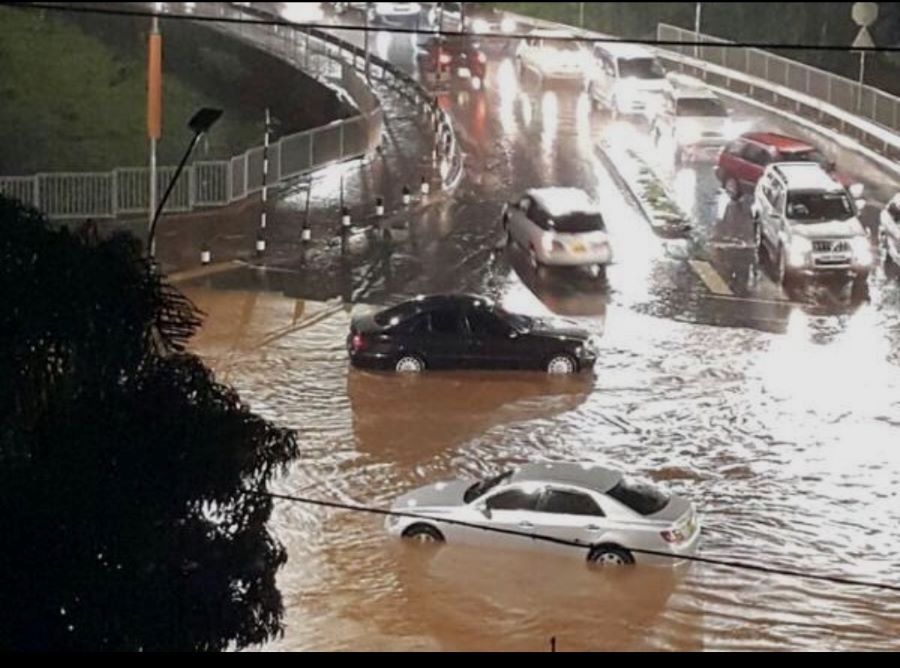
Fresh concerns have emerged over the design and implementation of the Nairobi Expressway, with critics linking recent flooding along Mombasa Road to what they describe as fundamental flaws in the project’s construction.
The debate, now gaining traction on social media platforms such as Facebook and X, centres on the stretch between Ole Sereni and Mlolongo. Transport stakeholders argue that, contrary to earlier expectations of a fully elevated roadway, sections of the expressway were constructed directly over the existing road corridor.
According to critics, this approach has effectively reduced available public road space while introducing new challenges for motorists and nearby residents, particularly during heavy rains. Calls are mounting for urgent intervention by the Kenya National Highways Authority and the Ministry of Roads and Transport.
Among the proposals being floated is the temporary opening of the Ole Sereni–Mlolongo expressway section to general traffic during periods of severe flooding, when parts of Mombasa Road become impassable. Critics further contend that motorists are bearing the cost of what they term “design compromises”, noting that users continue to pay toll fees despite the absence of a consistently elevated carriageway along the disputed stretch. This has reignited debate over whether the project has delivered value in line with its original design and public expectations.
Equally pressing are demands for the construction of the elevated section as initially envisioned. Stakeholders argue that such upgrades should be accompanied by comprehensive drainage and flood mitigation systems to address recurring flooding, which in recent days has left commuters stranded and disrupted movement along one of Nairobi’s busiest transport corridors.
The Expressway, developed under a public-private partnership by China Road and Bridge Corporation, has been widely hailed as a transformative project aimed at easing congestion in the capital. However, the latest concerns highlight growing public scrutiny over its long-term functionality, resilience and ability to withstand extreme weather events.
As pressure builds, attention is now turning to whether authorities will undertake corrective measures or maintain the current design, an outcome that could significantly shape public confidence in future infrastructure projects.
[/full]