Such diversion of substandard or faulty condoms may have exposed unsuspecting Kenyans to unsafe or compromised products, potentially undermining national HIV prevention efforts. Data from the National AIDS and STI Control Programme (NASCOP) indicates a worrying rise in new HIV infections following the reported disappearance of condoms. In 2023, Kenya recorded 16,752 new infections, rising to 19,991 in 2024 and 20,105 in 2025. Although no official link has been established between the missing condoms and the increase in infections, the overlap has raised legitimate public health concerns. Questions persist over whether faulty or recalled condoms may have entered informal supply chains and whether this may have contributed, even marginally, to reduced effectiveness in HIV prevention
To unlock the full article:
Choose one of the options below:
- Ksh 10 – This article only
- Ksh 50 – Access to ALL articles on the site (full site access)
- Ksh 300 – Monthly subscription
- Ksh 2340 – Yearly subscription (10% off)
By The Weekly Vision Investigations Desk
Kenya’s public health system is under renewed scrutiny following revelations surrounding the procurement and subsequent disappearance of more than one million condoms by the Kenya Medical Supplies Authority (KEMSA) during the COVID-19 pandemic. The condoms were later flagged as substandard by the donor, the Global Fund.
An audit by the Global Fund’s Office of the Inspector General (OIG) found that the faulty condoms, together with mosquito nets and tuberculosis medicines, disappeared from KEMSA warehouses under unexplained circumstances, exposing serious weaknesses in inventory management, warehousing and oversight at the State agency.
According to the OIG report, KEMSA’s inventory control systems were ineffective and failed to provide accurate visibility of stock levels. During a visit by Global Fund officials, KEMSA’s Nairobi warehouse was found to be overcrowded, making it difficult to trace and account for commodities. “For example, during a physical sample count, KEMSA could not locate three of eight batches of TB medicines worth US$91,000, out of a total value of US$570,000. Data inconsistencies in KEMSA’s information system included unexplained adjustments amounting to US$544,000.
In addition, adjustments of US$5.6 million were recorded due to anomalies in commodity unit prices, including instances where prices for expired medicines were overstated by up to 100 times,” the report states. The audit further established discrepancies between actual and expected stock balances for sampled HIV commodities, including a shortfall of 1.1 million condoms, as well as malaria commodities, where 908,000 fewer long-lasting insecticidal nets (LLINs) were recorded than expected.
“COVID-19 commodities procured through the Global Fund’s Pooled Procurement Mechanism were marked as donations not linked to any specific donor in the Warehouse Management System, making it difficult to track and trace them in the future,” the OIG noted.
These findings raised serious concerns over how donor-funded medical supplies, some of which had been declared unfit for use, may have been diverted and reintroduced into the market through informal and unregulated channels.
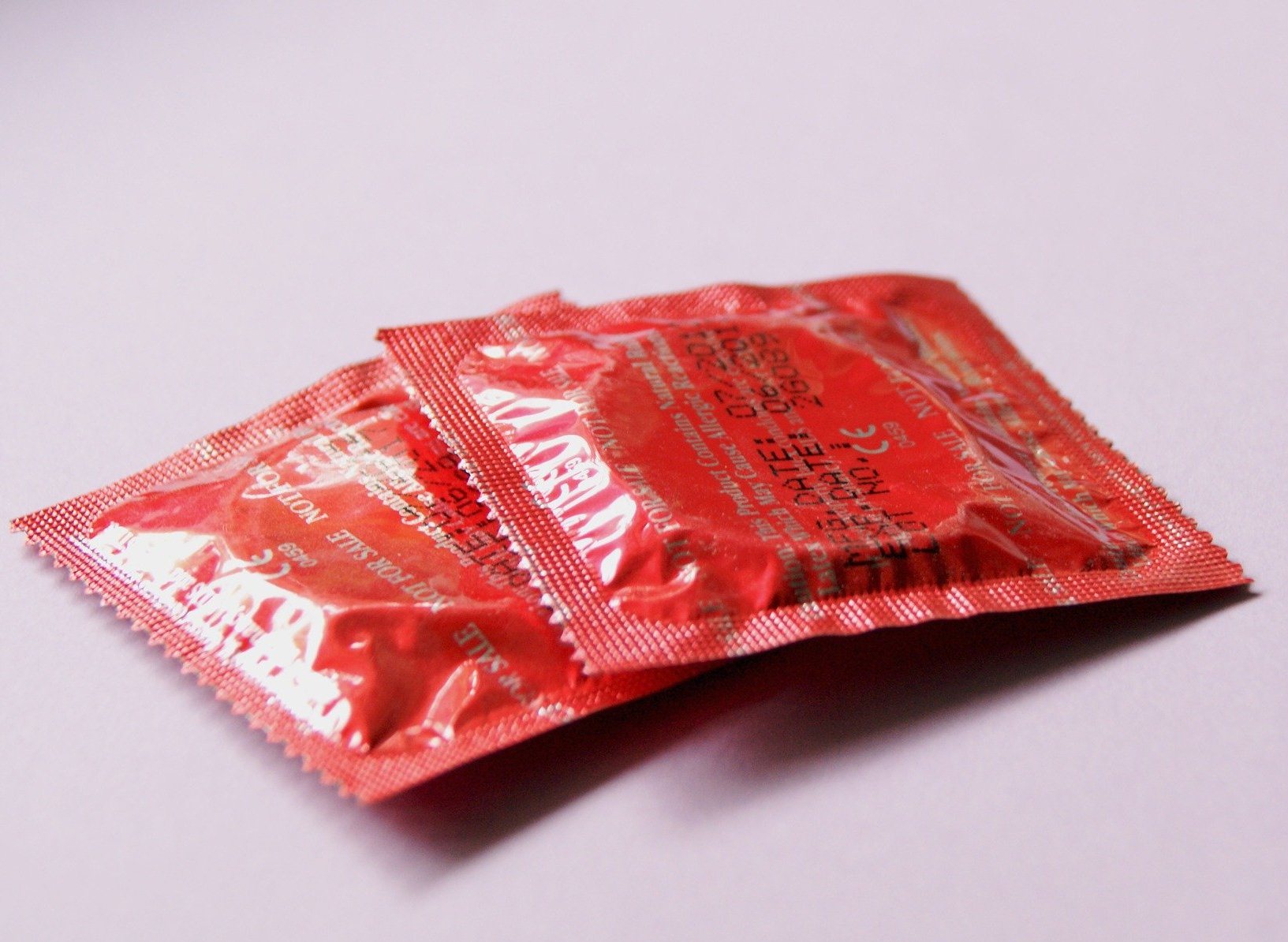
Such diversion of substandard or faulty condoms may have exposed unsuspecting Kenyans to unsafe or compromised products, potentially undermining national HIV prevention efforts. Data from the National AIDS and STI Control Programme (NASCOP) indicates a worrying rise in new HIV infections following the reported disappearance of condoms. In 2023, Kenya recorded 16,752 new infections, rising to 19,991 in 2024 and 20,105 in 2025.
Although no official link has been established between the missing condoms and the increase in infections, the overlap has raised legitimate public health concerns. Questions persist over whether faulty or recalled condoms may have entered informal supply chains and whether this may have contributed, even marginally, to reduced effectiveness in HIV prevention.
Since 2003, the Switzerland-based Global Fund has channelled more than US$1.4 billion to Kenya to support HIV, tuberculosis and malaria programmes. All commodities funded by the donor are intended strictly for free public distribution and not for commercial sale.
The scandal sits uneasily alongside official assurances given during the World AIDS Day 2025 commemorations held on 1 December at Nyayo Stadium in Nairobi. Prime Cabinet Secretary Musalia Mudavadi, speaking on behalf of President William Ruto, reaffirmed Kenya’s commitment to ending HIV/AIDS, particularly among children and adolescents, under the theme “One Race, One Goal: Ending AIDS in Children and Adolescents.”
Mudavadi cited four decades of progress but warned of a looming funding gap, noting that Kenya requires about KSh 30 billion annually to sustain HIV prevention, treatment and long-term care amid declining donor support. He highlighted partnerships, including a recent US–Kenya health framework, as critical to safeguarding supplies of medicines and preventive commodities. However, the unresolved KEMSA scandal continues to cast a shadow over such assurances.
Once removed from KEMSA’s custody, some of the stock is believed to have entered informal and unregulated supply chains. Sources indicate that the diverted consignments may have included faulty or previously recalled batches, raising the possibility that members of the public unknowingly purchased condoms that had failed quality tests.
The Pharmacy and Poisons Board (PPB), Kenya’s pharmaceutical regulator, had previously raised concerns over the problematic condom consignments and ordered their withdrawal from use. The prospect that recalled products may have re-entered the market through theft exposes serious gaps in enforcement and regulatory oversight.
The scandal has also reignited debate over leadership at the PPB. Chief Executive Officer Dr Fred Siyoi was reappointed to a second four-year term in 2023 and remains in office. However, sources within the regulator allege growing political pressure surrounding the position.
Insiders further claim that Health Cabinet Secretary Aden Duale has been pushing for changes at the regulator, with unconfirmed assertions that a close ally has been positioned to assume key leadership responsibilities.
Although the Global Fund audit did not publicly name individuals, the scale and consistency of the losses point to systemic collusion rather than isolated negligence. Commodities disappeared from secured warehouses, suggesting the possible involvement of insiders with access to inventory systems and storage facilities.
The report notes that KEMSA had weak internal controls over warehousing and inventory management, leading to discrepancies in 16 per cent of verified batch numbers and a shortfall of 908,000 LLINs between actual and expected stock balances.
“KEMSA does not have an adequate system to ensure that commodities distributed through third-party logistics providers reach health facilities on time and in the correct quantities. Only 31 per cent of proof-of-delivery documents were submitted to KEMSA on time in 2021,” the OIG found.
A limited market survey also revealed that Global Fund-financed commodities—some of which KEMSA had reported as undistributed- were being sold in four of the seven sampled pharmacies across four counties. The matter was referred to the OIG’s investigations unit for further review.
“We also noted weak internal controls over the accuracy of health facility data in KEMSA’s inventory system, leading to discrepancies between the Ministry of Health’s list of approved facilities and KEMSA’s records. Poor IT controls are compromising data reliability and contributing to ineffective stock management,” the report added.
Investigators concluded that external traders alone could not have carried out the scheme. Manipulation of access logs, stock records and warehouse movements would have required cooperation from within KEMSA. The beneficiaries are alleged to have profited by supplying informal markets with stolen donor-funded health commodities.
Calls for independent criminal investigations by Kenyan authorities and deeper forensic audits by the Global Fund followed. However, years later, there have been few high-profile prosecutions proportionate to the scale and gravity of the losses.
As donor confidence weakens and public trust continues to erode, the KEMSA condom scandal stands as a stark reminder that corruption in health supply chains is not merely about money; it is about lives. Until clear accountability is established, official pledges to end HIV/AIDS risk ringing hollow for the communities they are meant to protect.
[/full]